IP strategy · patents

Protected
by design

Over 100 patents and applications — 68 granted and allowed in the US alone — covering the chemistry, the cell, the pack and the charging system. This is the moat around extreme fast energy.

IP strategy

Three layers of protection.
One growing portfolio.

Our IP is built like our cells: from the material up. Each layer protects the one beneath it — and every licensee operates under the full StoreDot XFC Shield™.

Core cell technology · 23 families

Silicon-dominant anode materials, nanoparticle engineering, electrolyte additives, cathode stabilization and hybrid/solid-state structures.

Processing & applications · 10 families

Anode preparation systems, manufacturing methods, cell-to-pack architecture and in-operation optimization.

Ecosystem enablement · 10 families

Adaptive fast-charging devices and stations, BMS sensing, see-through safety and grid/vehicle integration.

+ patents & applications
US granted & allowed
patent families
2015first grant · 10 years of filing
Granted patents

The portfolio, patent by patent

Every granted patent StoreDot has published, with its abstract and the original document. Filter by technology layer or search the full text.

2024
Electrolyte & cathode · January 15, 2024

StoreDot unlocks the potential of the fast-charging Li-ion battery using an innovative electrolyte

United States Patent and Trademark Office » More than three decades after its commercial introduction, the lithium-ion (Li-ion) battery remains the electrical energy storage device of choice for applications ranging from consumer electronics and grid storage,…

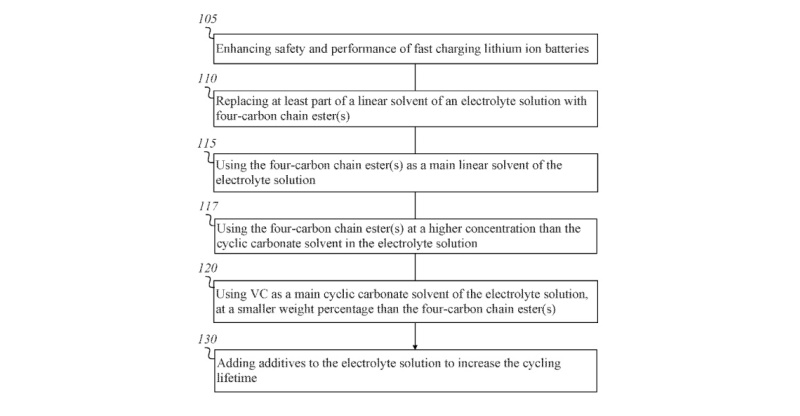
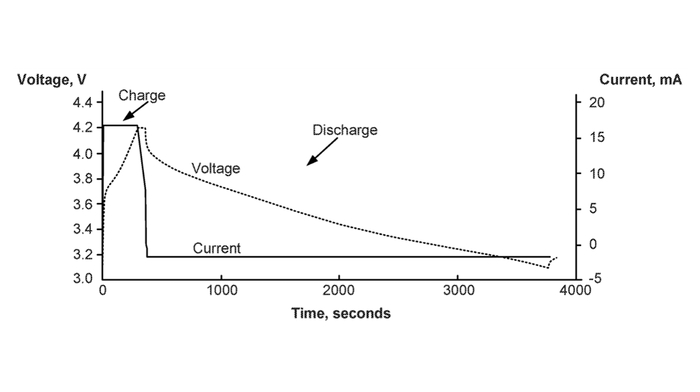
United States Patent and Trademark Office » More than three decades after its commercial introduction, the lithium-ion (Li-ion) battery remains the electrical energy storage device of choice for applications ranging from consumer electronics and grid storage, to electric vehicles. With such a wide range of applications, researchers are being tasked to come up with even more innovative technologies and chemistries to increase performance and improve the safety of fast charging batteries. So, while the anode and cathode are key to determining the performance and characteristics of the battery, electrolytes also have a vital role to play as they facilitate the movement of lithium ions between the positive and negative electrodes during charging and discharging cycles. As a result, the composition of electrolytes has a significant impact on the overall performance and safety of lithium-ion batteries, particularly when it comes to fast charging devices. Traditionally, electrolytes have consisted of carbonate solvents and lithium salts. However, these conventional electrolytes are not always the best solution for the rapidly evolving chemistries found in nascent fast-charging Li-ion batteries. To fully realize the potential of fast charging, long lasting and safe Li-ion batteries new electrolyte solutions are being studied. StoreDot’s breakthrough patent for electrolytes, which contain four-carbon chain esters as linear components, offers unprecedented benefits in terms of safety, performance, and charging speed. The patented electrolyte solution is designed to overcome the limitations of conventional electrolytes in applications such as extreme fast charging EV lithium-ion batteries. United States Patent and Trademark Office: Electrolytes containing a linear solvent with four-carbon chain esters developed for fast charging lithium ion batteries » The key to StoreDot’s invention lies in the utilization of four-carbon chain esters as a linear component, combined with a cyclic carbonate solvent comprising vinyl carbonate (VC), and at least one lithium salt together with a small amount of additives. These four-carbon chain esters’ exceptional chemical properties enhance the performance and safety of fast charging Li-ion batteries by enabling the efficient flow of ions while reducing the risk of side reactions, such as the formation of lithium dendrites. This unique electrolyte solution offers several compelling benefits that address the limitations of conventional electrolytes in fast charging Li-ion batteries: ‍ Enhanced Safety: StoreDot's electrolyte solution mitigates safety risks by stabilizing the solid-electrolyte interface (SEI) at the surfaces of the anode material particles. This protective layer prevents the development of hazardous side reactions, such as the formation of dendrites that often result in thermal runaway events. ‍ Improved Performance: ‍ The four-carbon chain esters facilitate faster ion transport, enabling rapid charging without compromising the cycling lifetime. This breakthrough technology allows for significantly reduced charging times, making it ideal for applications, such as EVs, that require a fast charging-turnaround, to meet customer expectations. ‍ Polymerization Control: ‍ The addition of specific additives, such as dithioester compounds, serves as polymerization controlling agents in the electrolyte. These compounds regulate the chain length of poly-olefins, which are formed in-situ during cycling. By controlling the level of polymerization, StoreDot's electrolyte solution optimizes battery performance and prevents parasitic reactions that can reduce the efficiency of the battery. ‍ Oxygen Scavenging: ‍ Some of the electrolyte additives in StoreDot's solution function as oxygen scavengers, removing excess oxygen from the cell. This scavenging action prevents the accumulation of oxygen, which can degrade the battery components and impact overall performance. ‍ ‍ Compatibility with Anode and Cathode Materials: ‍ StoreDot's electrolyte solution is compatible with a wide range of anode and cathode materials. Whether it's silicon (Si), germanium (Ge), tin (Sn), or lithium iron phosphate (LFP), StoreDot's technology can be seamlessly integrated into a wide range of battery architectures. As the demand for faster and more efficient energy storage solutions continues to grow, StoreDot's innovative electrolyte technology holds the promise of revolutionizing the battery industry. With its enhanced safety features, improved performance, and compatibility with different battery materials, StoreDot's electrolyte solution is set to play a crucial role in the future of energy storage. By improving safety, performance, and cyclability, StoreDot's breakthrough electrolyte paves the way for the widespread adoption of fast-charging Li-ion batteries, seen as crucial to the acceleration of widespread EV adoption.
Patent PDF ↗
2024
Anode & silicon · February 12, 2024

StoreDot’s innovative patent for a composite anode material is a game-changer for fast-charging Li-ion batteries

United States Patent and Trademark Office » In a world rapidly stepping up its reliance on electrical energy our absolute best battery friend has become the lithium-ion battery (LIB). It powers everything from mobile phones and laptops, to electric vehicles…

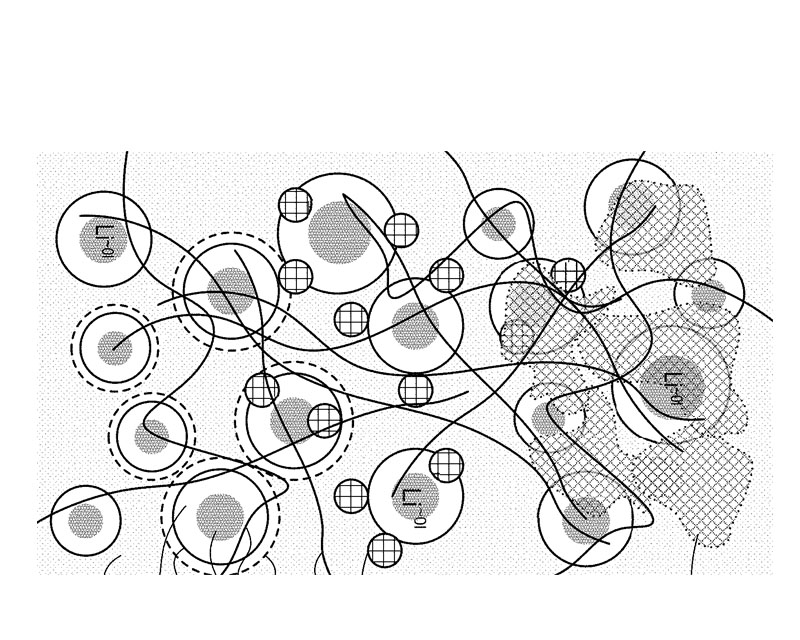
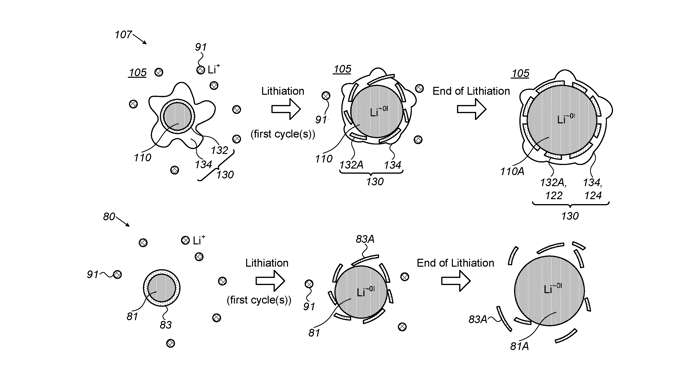
United States Patent and Trademark Office » In a world rapidly stepping up its reliance on electrical energy our absolute best battery friend has become the lithium-ion battery (LIB). It powers everything from mobile phones and laptops, to electric vehicles (EVs). And, as the number of applications that rely on Li-ion batteries increases so do the demands and challenges. So, even though several surveys show that actually owning an EV quashes many concerns - such as limited range and reliability - for potential buyers not all of their anxieties have been addressed, often affecting their decision to buy. Trepidations around cost, charging infrastructure, and time to charge still need to be resolved before EVs become the de facto mode of transportation for the masses. With the LIB at the heart of the EV, researchers are being tasked to come up with innovative technologies and chemistries to increase energy density, speed up charging, reduce costs, while retaining safety. Nevertheless, despite the impressive advances, many current LIBs still rely on conventional graphite anodes that are limited in their capacity and their ability to support fast charging. Attempting to insert lithium ions rapidly into the graphite, which is necessary for high power or fast charging applications, causes the anode to break down, limiting its cycle-life and fast charging ability. StoreDot’s groundbreaking patent for a composite anode material made of ionic-conducting electrically insulating material, increases the capacity of the battery while supporting significant improvements in fast charging through an innovative ‘core-shell’ design that allows for expansion and contraction of the anode during the charging/discharging phases of the battery cell. United States Patent and Trademark Office: Composite anode material made of ionic-conducting electrically insulating material developed for fast charging lithium ion batteries » At the heart of StoreDot's innovation, core-shell particles consist of a single core and a surrounding shell. The core is designed to receive and release lithium ions during the charging and discharging process, while the shell is configured to allow for expansion and contraction of the core during lithiation and de-lithiation. This is critical for fast charging. To ensure efficient electron and ion conductivity within the core-shell, the cores of the particles are connected to the respective shells by electrically conductive material such as carbon fibers or carbon nanotubes, to form a network – where required, also interconnecting the cores of multiple core-shell particles – throughout the anode material. Furthermore, the core-shell particles may also incorporate ionic conductive materials and mechanical elements to enhance ionic conductivity and mechanical stability during expansion and contraction typically encountered during fast charging. This combination of materials and design elements ensures the longevity and reliability of the composite anode material, even under extreme lithiation and de-lithiation. StoreDot's composite anode material offers significant advantages for electric vehicles. The increased energy density and fast charging capabilities enable longer driving ranges and reduced charging times that help ease potential EV owners’ concerns. This breakthrough technology paves the way for accelerated widespread adoption of electric vehicles by eliminating range anxiety and providing a seamless fast charging experience without compromising the battery’s lifespan. StoreDot's patent also has significant implications for lithium-ion battery manufacture. The composite anode material, using core-shell particles can be easily integrated into existing battery cell manufacturing processes, reducing costs and improving scalability. Furthermore, the enhanced conductivity and mechanical stability of the composite anode material result in a more reliable and durable fast charging lithium-ion battery. This means longer-lasting batteries with improved cycle life contributing to a more sustainable and environmentally friendly energy storage solution. Thus, StoreDot's breakthrough patent for composite anodes made of ionic-conducting electrically insulating materials represents a significant advancement in fast charging lithium-ion battery technology. By utilizing innovative core-shell particles and conductive materials, StoreDot has unlocked further potential for fast charging EV lithium-ion batteries, seen as crucial to the acceleration of widespread EV adoption.
Patent PDF ↗
2023
Anode & silicon · November 21, 2023

StoreDot’s pioneering patent for novel anode coatings counters SEI buildup in fast-charging Li-ion batteries

United States Patent and Trademark Office » As the world turns to electrification to reduce greenhouse gas emissions, Lithium-ion batteries dominate electrical energy storage systems, powering everything from portable electronic devices to electric vehicles…

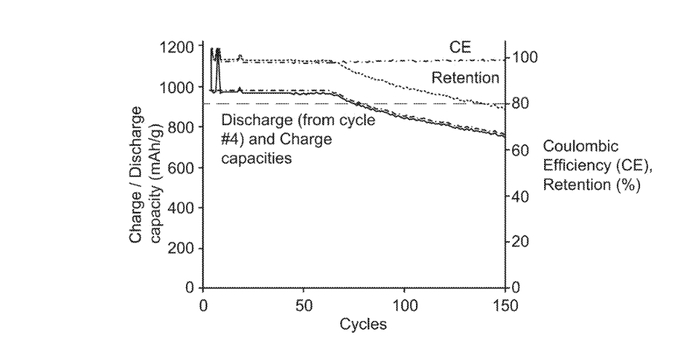
United States Patent and Trademark Office » As the world turns to electrification to reduce greenhouse gas emissions, Lithium-ion batteries dominate electrical energy storage systems, powering everything from portable electronic devices to electric vehicles (EVs). This increase in the number and variety of applications is driving a demand for higher energy density, enhanced safety, and faster charging batteries. To meet these wide-ranging requirements researchers are exploring new innovative materials and processes to unlock even more performance from the Li-ion battery. One of the greatest challenges researchers and manufacturers face in improving performance, particularly in fast-charging batteries used in EVs, is the control of the degradation of the interface between the anode and the electrolyte. During fast charging, the electrolyte at the anode-electrolyte interface can decompose, leading to the formation of a solid-electrolyte interphase (SEI). This SEI layer impedes the free movement of lithium ions, resulting in increased resistance and reduced battery capacity. Additionally, the direct contact between the electrolyte and the anode material particles can trigger parasitic reactions, further degrading the battery's performance. StoreDot’s patented innovation describes methods of applying a coating of ionic-conductive polymer to the anode that acts as an artificial SEI. By allowing lithium ion transfer through the coating, while preventing the electrolyte from coming into direct contact with the anode material particles, the degradation of the interface between the anode and the electrolyte can be controlled. United States Patent and Trademark Office: Anode coating in lithium-ion batteries » StoreDot's patented invention describes the methodology of composition and application of a novel anode coating that allows lithium ions to move through the coating while preventing the electrolyte from coming into direct contact with the anode material particles. This moderates SEI formation, thereby enhancing cell stability and increasing cycling lifetime. The patent outlines methods of coating the anode material particles with a microscopic layer of ionic-conductive polymer. The ionic-conductive polymer used in the coating can be made from any of a number of compounds, including (but not limited to): Poly Acrylic Acid, Poly Vinylene Carbonate, Poly Vinyl Pyrrolidone, Poly Vinyl Butyral, thermoset polyimides, and hydroxypropyl cellulose. These polymers offer excellent ionic conductivity and are soluble in organic solvents, thereby simplifying the application process. To further simplify manufacture and ensure scalability, the coating can be applied through a wide range of proven techniques, including spray coating, impregnation, dip coating, spin coating, grit blasting, ultrasonic drenching, and application of light curing using UV, air, heat, or chemical treatment. What is more, under certain conditions the polymerization of the coating can be performed in situ. This in situ polymerization allows for better coating efficiency and coverage, resulting in a more stable coating layer. StoreDot's patent on anode coating for lithium-ion batteries represents a significant advancement in the field of energy storage, in particular, fast-charging batteries as used in EVs, including: Enhanced Battery Performance: The artificial SEI layer provided by the anode coating facilitates the transfer of lithium ions, reducing the resistance and improving the battery's overall performance. This allows for faster charging and discharging rates, making it ideal for fast-charging EV applications. Increased Cycling Lifetime: The anode coating prevents direct fluid communication between the electrolyte and the anode material particles, reducing parasitic reactions and degradation. This leads to increased cycling lifetime and improved battery longevity. Improved Safety: By preventing direct contact between the electrolyte and the anode material particles, the anode coating minimizes the risk of electrolyte decomposition and thermal runaway. This makes the batteries safer to use, especially in high-demand applications such as fast-charging EVs. The innovative methodology and composition described in StoreDot’s patent offer a promising solution to the challenges associated with the fast charging and degradation of lithium-ion batteries. With its wide range of applications and benefits, StoreDot's anode coating technology has the potential to revolutionize fast-charging Li-ion EV batteries, paving the way for a more sustainable and rapid rollout of EVs.
Patent PDF ↗
2023
Anode & silicon · March 5, 2023

StoreDot’s innovative patent enables energy and power dense fast-charging lithium-ion EV batteries

To date, lithium-ion batteries have proven to be the best solution to the complex electric vehicle (EV) energy storage conundrum. They have a good balance of energy density, power, cyclability, and cost. However, they are not perfect, with researchers…

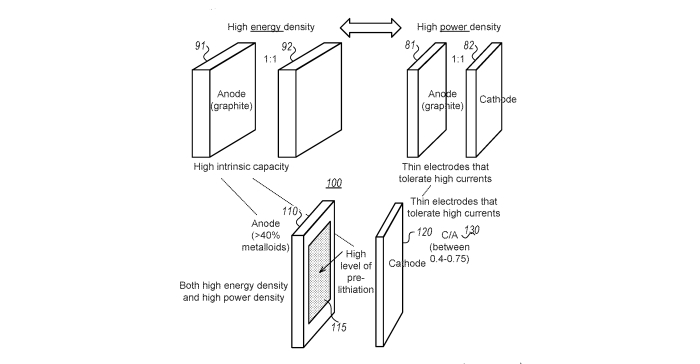
To date, lithium-ion batteries have proven to be the best solution to the complex electric vehicle (EV) energy storage conundrum. They have a good balance of energy density, power, cyclability, and cost. However, they are not perfect, with researchers continually coming up with innovative methods to improve performance and safety and reduce costs. Thus it is now possible to build an EV with a 90 kWh battery pack that does 300-miles on a single charge. However, creating fast charging, energy- and power-dense batteries (more than 300 Wh kg−1 or higher than 4 mAh cm−2) remains challenging. Even though Li-ion batteries have the highest energy density of rechargeable batteries available, they typically suffer from low power because of reversible Coulombic reactions occurring at both electrodes, involving charge transfer and ion diffusion in bulk electrode materials. Since both diffusion and charge transfer are slow processes, power delivery as well as the recharge time of Li-ion batteries is kinetically limited. Thus StoreDot’s creative invention describes efficient and economical methods and mechanisms for configuring and prelithiating fast-charging lithium-ion cells, thereby delivering fast-charging lithium-ion cells which are both energy and power dense. United States Patent and Trademark Office: Energy and power-dense fast-charging lithium ion batteries >> The invention outlines several structural and chemical modifications that allow numerous permutations of features that achieve both energy and power density in fast-charging cells that also have a long cycling lifetime. These cells have anodes with high metaloid concentrations, such asSi, Ge, and/or Sn, within the anode material, and are paired with cathodes providing a relatively low C/A (cathode to anode load) ratio. The anodes are prelithiated, with an algorithm determining the optimal amount required. These algorithms also regulate the lithium content achieved through prelithiation by optimizing the electrolyte to increase cycling lifetime, while adjusting energy density with respect to other cell parameters. The method described in the patent also allows for the reduction of the C/A ratio to achieve the required cycling lifetime. As the EV fleet continues to rapidly grow, so too do drivers’ expectations. This StoreDot patent provides researchers and electric vehicle battery cell manufacturers with methods and processes to develop and produce better fast-charging lithium-ion EV batteries that are both energy and power dense while offering longer cycle life.
Patent PDF ↗
2023
Anode & silicon · June 1, 2023

StoreDot’s innovative patent improves Li-ion battery performance through in-operation electrode lithiation using SoH monitoring

United States Patent and Trademark Office » As lithium-ion batteries become the ‘go-to’ electrical energy storage systems for everything from grid energy to consumer electronics and electric vehicles (EVs), manufacturers continue their efforts to develop…

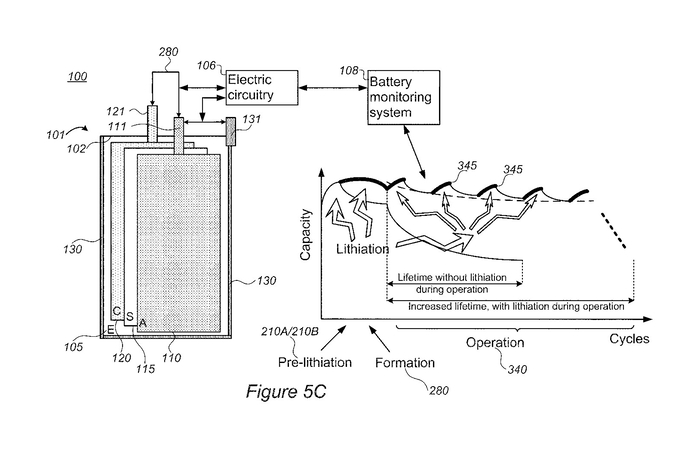
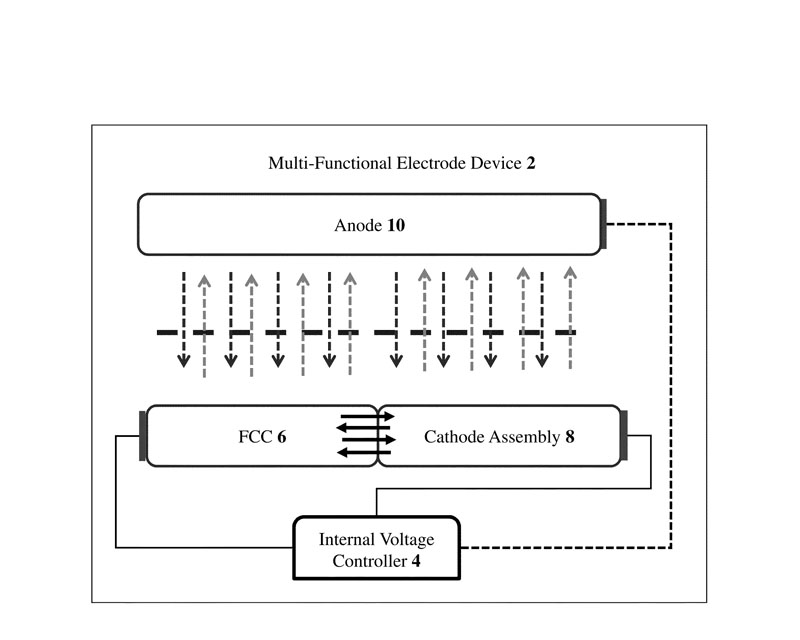
United States Patent and Trademark Office » As lithium-ion batteries become the ‘go-to’ electrical energy storage systems for everything from grid energy to consumer electronics and electric vehicles (EVs), manufacturers continue their efforts to develop batteries with longer cycle lifetimes and higher charging rates to meet the demands of a growing number of applications. Lithium ion (Li-ion) battery manufacturers continue to develop processes to enhance electrochemical performance, especially cycle life, that plays a vital role in advancing the EV battery strategy roadmap. Various high-specific-capacity anode materials, such as silicon-based (Si) materials, tin-based materials, and transition metal oxides, are under investigation to replace current low-specific capacity graphite-based anode materials. Among these, Si material is one of the most promising candidates for next-generation anodes, due to high theoretical capacity. However due to large volume changes of Si during the charge/discharge process, continuous destruction and reconstruction of the solid electrolyte interphase (SEI) layer, collapse of the electrode structure, and electrical contact loss of the active material, Si anodes usually suffer from poor cycling performance, seriously hindering their practical application. Prelithiation methods may compensate for the large initial irreversible capacity of anodes. However, such a strategy still cannot improve cycling stability and irreversible Li consumption during cycling. StoreDot’s invention describes systems and methods for regulating the level of metal ions in lithium-ion batteries that serve as a source of lithium to lithiate the battery's anode or cathode during operation, based on the battery's state of health (SoH). United States Patent and Trademark Office: Enhancing Li-ion battery performance through in-operation cathode lithiation according to SoH monitoring » StoreDot’s invention describes efficient and economical methods and mechanisms for in-situ lithiating electrodes (anodes and/or cathodes) of Li-ion battery cells. In particular, the innovation allows to compensate for the initial irreversible capacity of SEI formation. This is achieved by electrochemically controlling the interaction between the electrodes of the battery and metal ion sources located in pouches within the battery. The metal ion sources can be optimized in terms of their position and shape to ensure uniform movement of metal ions to the electrode surfaces thereby promoting uniformity and degree of in-situ lithiation. The invention also covers systems with a Li-ion battery cell stack, a Li source within the pouch cover, and electric circuitry for lithiating the cathodes of the battery during operation, controlled by the battery's SoH. The described methods and mechanisms aim to improve the performance and cyclelife of Li-ion batteries by effectively lithiating the electrodes and compensating for lithium loss during battery operation. Lithiation of both the anodes and cathodes provides flexibility and can be adjusted based on feedback from the battery management system (BMS) to optimize battery performance and stability. The lithiation process is simpler and faster for cathodes, and it can be carried out in a more spatially homogeneous manner, making it safer and more controllable compared to anode lithiation, reducing the risk of lithium metallization. These innovative methods and mechanisms aim to improve the performance and cyclelife of Li-ion batteries by effectively lithiating the electrodes and compensating for lithium loss during operation using the battery’s SoH. Thus StoreDot’s patented invention not only improves performance of high capacity anodes but also provides flexibility in battery design and optimization. The amount of lithium introduced can be adjusted based on the battery's SoH parameters and feedback from the battery management system. This allows for customization and fine-tuning of the lithiation process to maximize battery performance, stability, and cycling lifetime.
Patent PDF ↗
2023
Anode & silicon · December 11, 2023

Overcoming Anode Reactivity: StoreDot's Novel Electrolytes for Next-Generation Lithium-Ion Batteries

United States Patent and Trademark Office » With the lithium-ion (Li-ion) battery the de facto electrical energy storage device in a world increasingly turning to electrification, researchers continue to develop innovative processes and materials that…

United States Patent and Trademark Office » With the lithium-ion (Li-ion) battery the de facto electrical energy storage device in a world increasingly turning to electrification, researchers continue to develop innovative processes and materials that increase energy density, reduce the time to charge and improve safety. One such innovation has seen manufacturers introduce and increase the silicon (Si) content in the anode to increase energy density and performance. However, developing a stable electrode with Si as an active material is challenging, particularly in fast-charging batteries used in EVs, due to the fact that it undergoes severe volumetric changes during the charge and discharge cycle, which can lead to mechanical stress, cracking, and pulverization of the electrode. To combat this researchers have applied several innovative solutions to stabilize the Si-rich anode, including modifying the electrode (binder, Si morphology etc.) and/or adding an SEI-forming additive to the electrolyte solution to form a stable SEI (solid-electrolyte interphase). The SEI is a thin, passivating layer that forms on the surface of the anode in Li-ion batteries during the initial charging cycles. The formation of a stable and protective SEI is essential for the long-term performance and safety of Li-ion batteries. StoreDot’s invention outlines methods of producing fast-charging Li-ion batteries with electrolytes that do not react with the cells’ anodes, but instead selectively interact with the cathodes, enabling the formation of a SEI layer. By so doing these electrolytes improve the performance of the fast-charging cells, and enhance their lifetime and safety. United States Patent and Trademark Office: Fast-charging Li-ion batteries with electrolytes that do not react with the anodes » In Li-ion batteries with traditional graphite anodes the electrolyte solutions are designed to have high anodic stability and low cathodic stability. However, when applied to anodes containing Si, which undergo significant volumetric changes during the charging and discharging process, the formation and breakdown of the SEI on the anodes leads to reduced cycle life, increased resistance, and capacity loss. To overcome the problem, Storedot's patent for fast-charging lithium-ion cells employs electrolyte solutions that do not react with the anodes but instead form a SEI on the cathodes. By limiting the electrolyte interactions to the cathodes or even preventing them entirely through cathode coating, the performance, lifetime, and safety of the cells are significantly improved. Storedot’s invention also describes methods of incorporating redox couples into the electrolyte solution to further promote SEI formation on the cathode and eliminate the SEI on the anode. These redox couples consist of two pairs of oxidation and reduction reactions. The first redox pair, which is inert with respect to the anodes, ensures that SEI is not formed on the anodes. The second redox pair promotes SEI formation on the cathodes during the cell's operation. Furthermore, the patent describes various esters, ethers, alkyl carbonates, and nitriles that can be used in the electrolyte solution, each with different decomposition potentials that align with the operational voltages of the cathode materials. Additionally, the invention is compatible with an array of lithium salts such as LiPF6, LiClO4, LiFSI, LiTFSI, LiTDI, LiBOB, and LiFOB that can be dissolved in the electrolyte solutions to enhance their performance. By utilizing electrolytes that do not react with the anodes and promote SEI formation on the cathodes, StoreDot addresses several key limitations of Si-dominant anodes found in Li-ion batteries. The improved performance, enhanced lifetime, and increased safety of these fast-charging cells pave the way for a more sustainable and efficient energy storage future, enabling a more sustainable and rapid rollout of fast charging EVs.
Patent PDF ↗
2023
Anode & silicon · August 13, 2023

StoreDot’s innovative patent for passivated silicon-based anode material enables sustainable production of fast-charging Li-ion batteries

United States Patent and Trademark Office » Lithium-ion batteries have revolutionized modern energy storage systems, powering everything from portable electronic devices to electric vehicles (EVs). As the demand for higher energy density, enhanced safety, and…

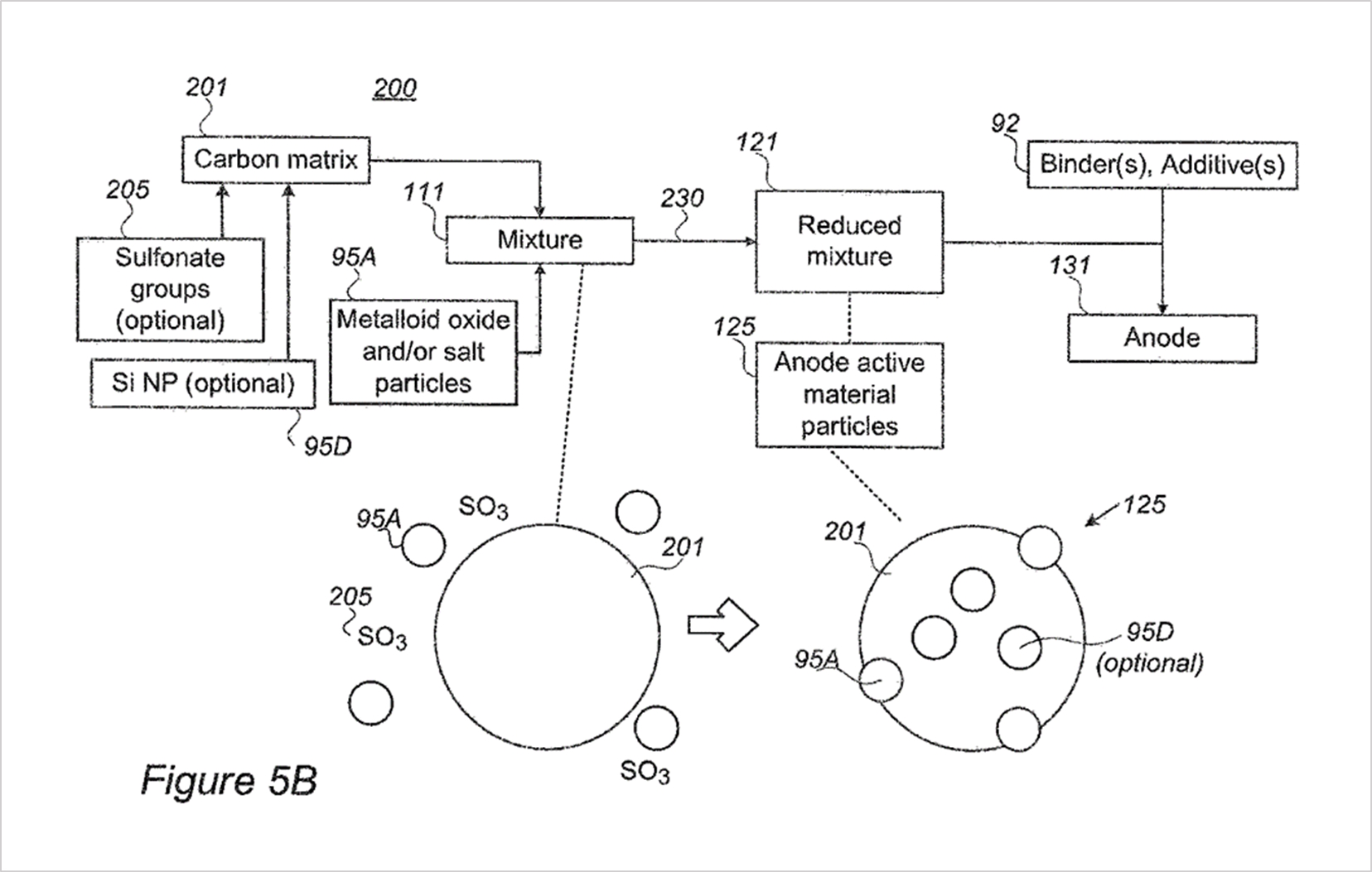
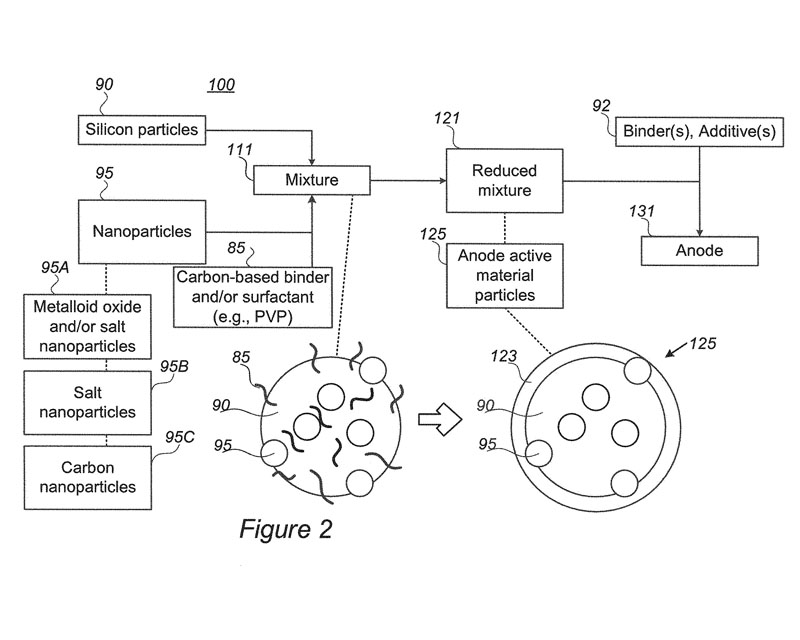
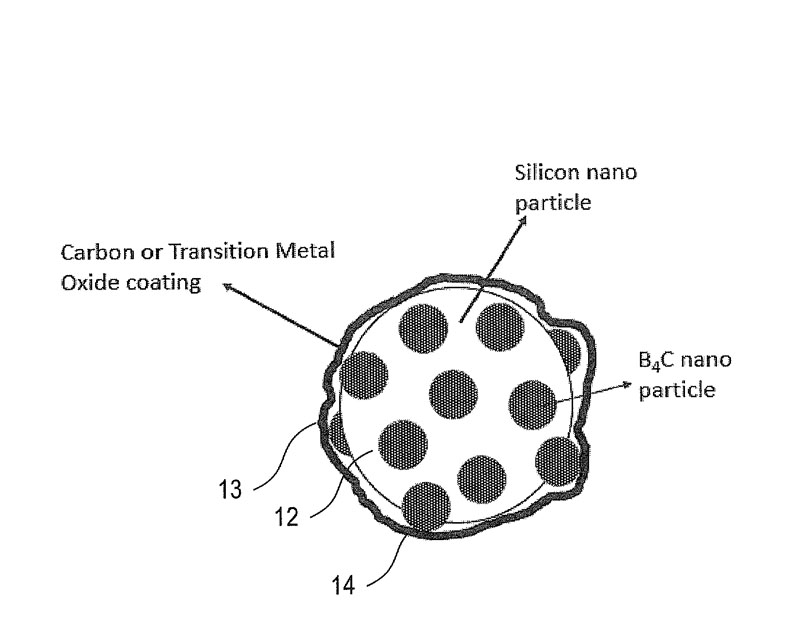
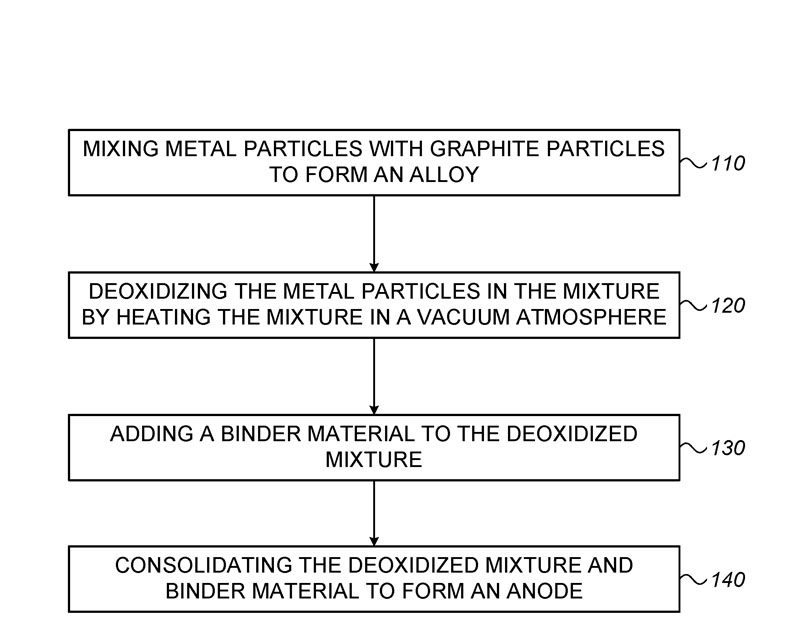
United States Patent and Trademark Office » Lithium-ion batteries have revolutionized modern energy storage systems, powering everything from portable electronic devices to electric vehicles (EVs). As the demand for higher energy density, enhanced safety, and faster charging grows, researchers continue to look for innovative materials and processes to overcome the limitations of conventional graphite-based anodes. Silicon as an anode active material, with exceptionally high theoretical capacity, has emerged as a promising candidate for advancing cost effective, fast-charging, safe, Li-ion batteries. However, its reactivity demands careful handling in a non-oxidizing environment during production. To address this challenge, researchers are - amongst other solutions - exploring various methods of passivation as a critical strategy. StoreDot’s patented innovation describes methods of preparing anode material particles, mixtures, and electrodes for fast charging lithium-ion batteries. These methods incorporate passivated silicon-based particles, allowing for efficient processing of the anode in oxidizing environments, including water-based slurries. United States Patent and Trademark Office: Preparing passivated silicon-based anode material particles » StoreDot’s invention describes a method of creating an anode-material from silicon (Si) particles coated with passivation layers. The particles’ passivated layers inhibit reactions of the Si when exposed to oxidizing environments such as when consolidated with binder and conductive materials in a water-based slurry. The patent lays out a process for creating a mixture of silicon particles with nanoparticles (NPs) and a carbon-based binder and/or surfactant. The NPs provide nucleation sites for the passivation layer on the surface of the silicon particles – allowing for significant simplification of the anode-formation process by enabling processes that rely on water-based slurries. The NPs can include metalloid oxide NPs, metalloid salt NPs, Sb and/or Cu salt NPs, Sn, Sb, Cu, SnSb alloy and/or SnCu alloy NPs, metallic Ag, Au, Pb and/or Ge NPs, and carbon NPs. Once reduced, the mixture containing the passivated silicon particles can be consolidated to form an anode. By employing passivated silicon particles, StoreDots invention not only simplifies the manufacturing procedure by enabling the processing of Si anode materials in oxidizing environments such as encountered when using water-based slurries, but ultimately boosts the cost-effective, sustainable production of high performance anodes for fast charging EV batteries.
Patent PDF ↗
2022
Anode & silicon · September 18, 2022

StoreDot expands its patent portfolio with additional innovative methods for protecting silicon in the anode composition

United States Patent and Trademark Office > As the world transitions to a green future, more and more electrified applications are turning to battery storage systems. To meet wide-ranging consumer needs manufacturers are developing lithium-ion batteries…

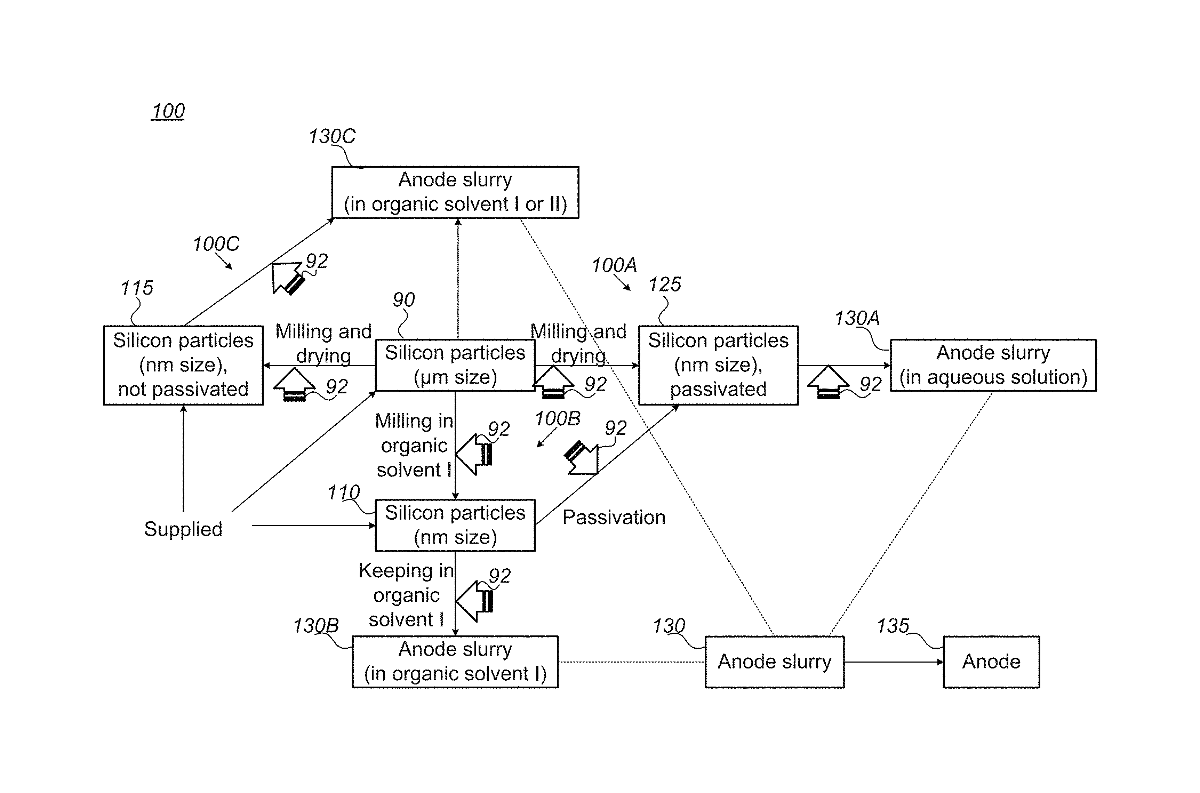
United States Patent and Trademark Office > As the world transitions to a green future, more and more electrified applications are turning to battery storage systems. To meet wide-ranging consumer needs manufacturers are developing lithium-ion batteries (LIBs) with higher energy densities, enhanced safety, and faster charging to suit applications from consumer electronics and grid energy storage to electric vehicles (EVs). Key to enabling these advances are the battery electrodes. As a result, considering the abundance, environmental friendliness, low cost, and high capacity potential of a silicon-based anode, silicon has emerged as one of the most promising anode materials for high-energy and fast-charging LIBs. However, even though using silicon as an active anode material provides many advantages, including greater energy density and faster charging, it is reactive and requires careful processing in a non-oxidizing environment. StoreDot’s patent relates to innovative methods of preparing anode active material for fast-charging lithium-ion batteries, comprising silicon particles coated with silver and /or tin particles, and mixing the coated silicon particles with conductive additives and binders in a solvent to form an anode slurry used to prepare the anode. United States Patent and Trademark Office: Methods of preparing silver and/or tin coated silicon active material and anode slurries formed therefrom > Silicon (Si) is one of the most studied anode materials because of its low cost, low electrochemical potential vs. Li/Li+, and theoretical capacity of more than 10 times that of graphite. However, amongst other challenges, Si anodes suffer from reactivity that requires careful processing in a non-oxidizing environment and low electric conductivity. To improve the conductivity and overall electrochemical performance of Si-dominant anodes composite coatings with tin and silver metal nanoparticles can be used. Thus, StoreDot’s patent describes methods of preparing Si-based anode slurries and an anode made thereof. The innovation consists of coating silicon particles, ranging in size between 300-700 nm, with silver and /or tin particles of 20-500 nm. Thereafter the coated silicon particles are mixed with conductive additives and binders in a solvent to form an anode slurry, used to prepare a less reactive anode. Alternatively or complementarily, silicon particles may be milled in an organic solvent, with the possibility of adding coating agent(s), conductive additive(s), and binder(s) to the milled silicon particles to form a Si-based anode slurry. Alternatively or complementarily, milled silicon particles may be mixed, in a first organic solvent, with coating agent(s), conductive additive(s), and binder (s) to form the Si-based anode slurry. Furthermore, the innovation also enables the mixture of silicon particles with nanoparticles (NPs) and a carbon-based binder and/or surfactant. These NPs comprise one or more metalloid oxide NPs, metalloid salt NPs, Sb and/or Cu salt NPs, Sn, Sb, Cu, SnSb alloy and/or SnCu alloy NPs, metallic Ag, Au, Pb and/or Ge NPs, and carbon NPs. The mixture is reduced to yield coated silicon particles with a passivation coating, that when consolidated forms the anode. These innovative methods disclosed in StoreDot’s patent simplify the anode production process whilst delivering anodes with equivalent or superior performance.
Patent PDF ↗
2022
Anode & silicon · October 6, 2022

StoreDot patents innovative electrolyte additives for fast charging lithium ion batteries

United States Patent and Trademark Office > Even as electric vehicles (EVs) rapidly grow their share of the market, manufacturers continue to improve the technologies to better meet consumer demands. Amongst these developments, lithium-ion batteries (LIBs)…

United States Patent and Trademark Office > Even as electric vehicles (EVs) rapidly grow their share of the market, manufacturers continue to improve the technologies to better meet consumer demands. Amongst these developments, lithium-ion batteries (LIBs) with fast charging capabilities are expected to play an important part in promoting the adoption of EVs by eliminating consumers’ “range anxiety.” The importance of fast charging to the rollout of EVs is well illustrated by the United States Department of Energy’s stated goals of achieving “Extreme Fast Charging” (XFC) – safely charging to 80 percent capacity in 15 minutes or less – by 2028. Optomized LIB electrolytes play an important role in achieving this goal. StoreDot’s patent relates to innovative Li-ion battery electrolyte additives that stabilize the solid-electrolyte interface at the surfaces of the anode, and/or stabilize the cathode electrolyte interface at the surface of the cathode, as well as acting as oxygen scavengers to prevent cell degradation in fast charging EV batteries. United States Patent and Trademark Office: Electrolyte additives for fast charging lithium ion batteries > Li-ion batteries currently used in EVs are typically based on the chemistry of a graphite or graphite/silicon anode, a lithium transition metal oxide cathode (layered cathode), and a LiPF6-carbonate based electrolyte. These electrolytes consist mainly of a LiPF6 salt dissolved in a carbonate-based solvent mixture. Such electrolytes cannot support fast charge without detrimental impacts on performance and lifespan. Fast charge aggravates parasitic reactions of the electrolyte solvents and structural degradation of the lithium layered transition metal oxide cathode materials. This leads to not only the depletion of electrolyte solvents but also the loss of cyclable Li+ ions, accompanied by an increase in impedance and volumetric swelling of the electrodes. Hence, StoreDot’s patent describes LIBs and electrolytes that include electrolyte additives containing dithioester functional group(s) that stabilize the SEI (solid-electrolyte interface) at the surface of the anode material particles, and/or stabilize the CEI (cathode electrolyte interface) at the surface of the cathode material particles. These additives also act as oxygen scavengers to prevent cell degradation. The electrolyte additives act as polymerization controlling and/or chain transfer agents that regulate the level of polymerization of other electrolyte components, such as VC (vinyl carbonate) and improve the formation and operation of the batteries. The lithium ion batteries may have metalloid-based anodes - including mostly Si, Ge and/or Sn as anode active material particles. These polymerization controlling agents may also be used to control the chain lengths/molecular weights and distribution of the poly-olefins, whilst preventing the continuous and related parasitic reaction that consumes electrolyte, reduces the ionic conductivity of the electrolyte and reduces the electronic conductivity of the anode material particles. Alternatively or complementarily, " chain transfer agents ” - defined as compounds comprising a weak bond (i.e. a dithioester functional group) - which facilitate a chain transfer reaction can be used as polymerization controlling agents, to control chain length of the poly-olefins. Through the use of electrolyte additives as described in StoreDot’s patent the lithium-ion battery’s performance can be optimized with respect to the cycle life, charging/discharging rates, safety and/or capacity.
Patent PDF ↗
2022
Anode & silicon · November 20, 2022

StoreDot’s patent enables better EV performance by emulating supercapacitor advantages in li-ion batteries

United States Patent and Trademark Office » As the number of sectors turning to electrification to curb Green House Gas emissions grows, so too do the demands on energy storage systems. Even though the lithium-ion battery - currently the dominant energy…

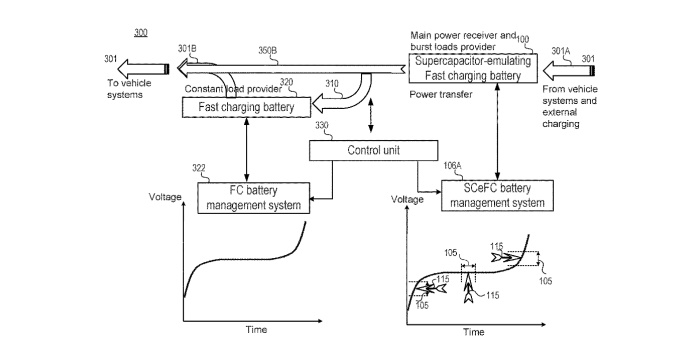
United States Patent and Trademark Office » As the number of sectors turning to electrification to curb Green House Gas emissions grows, so too do the demands on energy storage systems. Even though the lithium-ion battery - currently the dominant energy storage device – is well suited to meeting most demands, at times there are applications where a single battery design-architecture cannot simultaneously meet the widely varied requirements. Hence, a fast-charging battery may not deliver the energy density to support a long-range electric vehicle (EV), or if the battery is optimized for energy density it may not provide the short bursts of high energy required to rapidly charge or accelerate a high-performance EV. Even though Li-ion batteries have the highest energy density of rechargeable batteries available, they typically suffer from low power because of reversible Coulombic reactions occurring at both electrodes, involving charge transfer and ion diffusion in bulk electrode materials. Since both diffusion and charge transfer are slow processes, power delivery as well as the recharge time of Li-ion batteries is kinetically limited. As a result, batteries have a low power density and lose their ability to retain energy throughout their lifetime due to material degradation. On the other hand, electrochemical double-layer capacitors or ultracapacitors make up, together with pseudocapacitors, a new type of electrochemical capacitor called supercapacitors (referred to as SCs), which store energy through the accumulation of ions on an electrode’s surface. Although these devices have a limited energy storage capacity, they exhibit excellent power density. The main challenge facing the SC is its low energy density, meaning that the amount of energy stored per unit weight is very small, particularly when compared to a Li-ion battery. Thus SoreDot’s innovative patent describes the management, through an ECU and novel software, of battery systems comprising a main fast-charging lithium-ion battery (FC) configured to deliver energy to the EV, and a supercapacitor-emulating fast-charging lithium-ion battery configured to receive and deliver short term high power to the FC Li-ion battery and/or to the EV. United States Patent and Trademark Office: Software management of EV battery modules» >> StoreDot’s innovation outlines a single, internally adjustable modular battery system capable of storing energy and delivering power in a wide range of electrical systems such as photovoltaic systems, solar systems, grid-scale battery energy storage systems, home energy storage systems, power walls, and in particular, EVs. The inventors have figured out a way to emulate supercapacitors using fast-charging batteries, thereby retaining the intrinsic advantages of fast-charging batteries while overcoming the typical limitations and drawbacks when compared to supercapacitors. The patent describes batteries comprising a main fast-charging lithium-ion battery (FC), configured to deliver electrical energy to the EV in conjunction with a supercapacitor-emulating fast-charging lithium-ion battery (SCeFC), designed to receive and deliver power to the FC and/or to the EV. The system is configured to operate at high power ratings within a narrow range of state of charge (SoC), using module management software, and a control unit. Both the FC and the SCeFC have anodes based on the same anode active material, with the control unit configured to manage power delivery to and from the FC and the SCeFC to optimize the operation of the FC. With the ECU and appropriate software controlling the fast-charging battery to only operate within a partial operation range, the lithiation of the anode active material can be regulated to within 5 percent around the working point when operating at charge/ discharge rates greater than 5C. What is more, by limiting the modified fast-charging battery to operate over only a partial range, a larger continuous current can be applied because only a small portion of the whole charging or discharging curve is utilized. This increases the cycle-life by two to three orders of magnitude compared to a typical battery operated over its full range, as in each cycle different areas of the battery are operational. Whilst in EVs the innovation allows for short bursts of power typically found in supercapacitors with the advantages of energy-dense fast-charging LIBs, by emulating large supercapacitors when integrated into the power grid, spikes in energy demand can also be smoothed out. In another example, a modified fast-charging battery and/or device could be configured to emulate small supercapacitors incorporated into consumer electronic devices to ensure an even power supply to the device. In other use cases, such as wireless sensors, which require many short operation cycles, modified fast-charging batteries may be particularly advantageous with respect to the emulated supercapacitors. As supercapacitors typically have low energy densities and high leakage currents, such applications typically exhaust supercapacitors quickly, while the much larger energy density and low leakage currents characterizing modified fast-charging batteries could extend the operation of devices in such use cases. Thus, through the use of an ECU and software to control the two operatively different types of battery modules, the functionality of the battery system can be enhanced to better meet the wide-ranging energy storage and delivery applications.
Patent PDF ↗
2022
Anode & silicon · May 2, 2022

StoreDot’s hybrid-battery patent describes a way to enhance the overall performance of EV pack

And The lithium-ion battery is currently the dominant energy storage device best suited to meeting these demands, with manufacturers looking to enhance the overall performance of the battery pack with new cell…

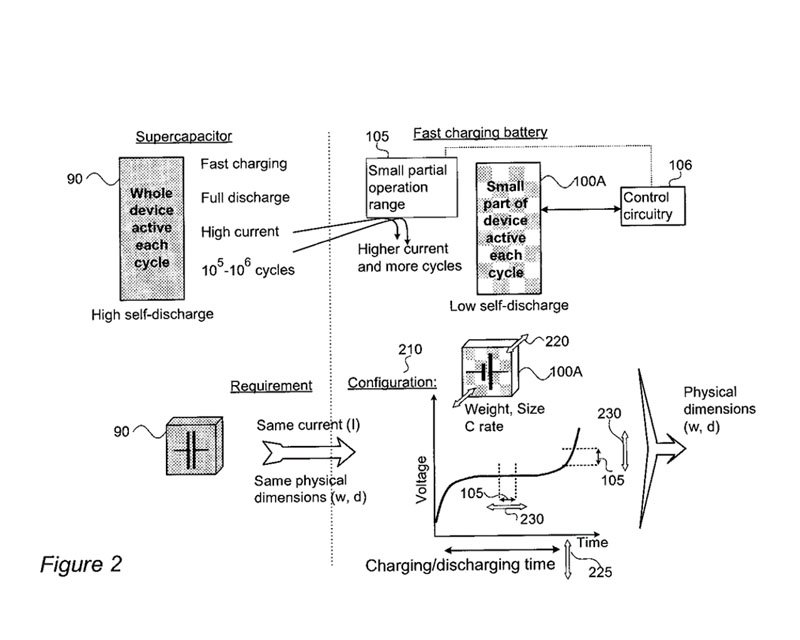
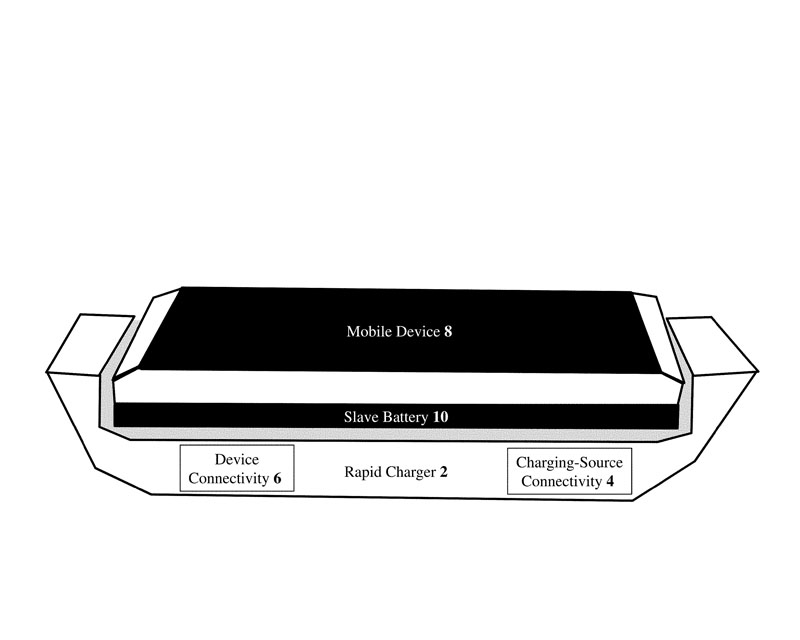
and The lithium-ion battery is currently the dominant energy storage device best suited to meeting these demands, with manufacturers looking to enhance the overall performance of the battery pack with new cell chemistries, construction, and formats, including hybrid-batteries. Two patents describe StoreDot’s "hybrid battery packs" consisting of two different cell chemistries that support the configuration of a fast-charging battery to emulate a supercapacitor and also enable adaptive fast-charging for mobile devices and devices with sporadic power-source connection. ‍ Taken together, these two patents define a novel approach of combining different cell chemistries within a battery to enhance the overall parameters of the Li-ion battery pack. Batteries store energy electrochemically through chemical reactions that release electrical carriers that can be absorbed into an electrical circuit. In Li-ion batteries, during charge and discharge cycles the energy-containing lithium ions travel to and from the high-energy anode and the low-energy cathode materials, respectively, passing through a separator. Even though Li-ion batteries have the highest energy density of rechargeable batteries available, they typically suffer from low power by virtue of reversible Coulombic reactions occurring at both electrodes, involving charge transfer and ion diffusion in bulk electrode materials. Since both diffusion and charge transfer are slow processes, power delivery as well as the recharge time of Li-ion batteries is kinetically limited. As a result, batteries have a low power density, and lose their ability to retain energy throughout their lifetime due to material degradation. On the other hand, electrochemical double-layer capacitors or ultracapacitors make up, together with pseudocapacitors, a new type of electrochemical capacitor called supercapacitors (referred to as SCs), which store energy through the accumulation of ions on an electrode’s surface. Although these devices have a limited energy storage capacity, they exhibit excellent power density. In the SC, energy is stored electrostatically on the surface of the material, and does not involve a chemical reaction. As a result, a SC can be charged quickly, leading to a very high power density without a loss of storage capability over millions of charge/discharge cycles. The main challenge facing the SC is its low energy density, meaning that the amount of energy stored per unit weight is very small, particularly when compared to a Li-ion battery. So although it would seem to make sense to combine the high energy and high power density of the LiB and SC in a single device, so far such hybrid power-source devices have mainly been limited to parallel connection (i.e., an SC used as a power supply, with the battery used as an energy source, which supplies energy both to the load and to the SC, which in turn, should be charged at all times). In this configuration, performance is limited by the minimal use of the SC, and the higher degradation of the battery due to the additional charging of the SC. It is for this reason that StoreDot’s patent defines a method to configure a fast-charging battery to emulate a supercapacitor with given specifications by operating the fast-charging battery only within a partial operation range which is defined according to the given specifications of the supercapacitor - being smaller than 20 percent, possibly 5 or 1 percent, of a full operation range of the fast-charging battery. Devices are proposed that comprise control circuitry and a modified fast-charging lithium ion battery, such as the XFC, having Si, Ge and/or Sn-based anode active material and designed to operate at 5 C at least and within a range of 5 percent at most around a working point of between 60 to 80 percent lithiation of the Si, Ge and/or Sn-based anode active material, wherein the control circuitry is configured to maintain a state of charge (SOC) of the battery within the operating range around the working point. In conjunction with this patent StoreDot has another invention that describes systems and methods for adaptive fast-charging of mobile devices and devices with sporadic power-source connection. These methods consist of multiple steps: firstly determining whether a supercapacitor contained in a device is charged; if the supercapacitor is charged, the next step is to determine whether the device’s battery is charged. If the battery is not charged, it is firstly charged from the supercapacitor. Preferably, the SoC of the supercapacitor and battery will be determined before charging takes place. Ideally, charging will be regulated such that it preserves the lifetime of the battery by controlling the current to the battery when discharging the supercapacitor to charge the battery. Preferably, the discharge must allow the supercapacitor to be recharged. It is envisaged that the XFC cell maybe optimized to operate as a supercapacitor providing the battery pack with a much higher lifetime When pairing a normal Li-ion cell with an XFC cell in a hybrid battery pack such a pack would be ideally suited to applications where the current infrastructure is enough to charge the whole pack, with the XFC battery always ready to be charged. Because of the XFC cell’s high-C capabilities, such a hybrid battery would be ideally suited to efficiently utilize regenerative energy converted from kinetic energy. In such applications the XFC cell would put less stress on the "standard" battery, resulting in cost saving through implementing cheaper "standard" technology, thereby reducing total cost of ownership. This would allow the standard battery to "always be charged" and ready for long range use cases. ‍
Patent PDF ↗
2022
Cell architecture & safety · May 1, 2022

How StoreDot’s see-through technology enables safer batteries

Back in 2020 StoreDot received two co-dependent patents for optical communication through transparent pouches of lithium ion batteries. This innovation covers the co-dependent topics of transparent Li-ion pouch cells and optical communications enabled by…

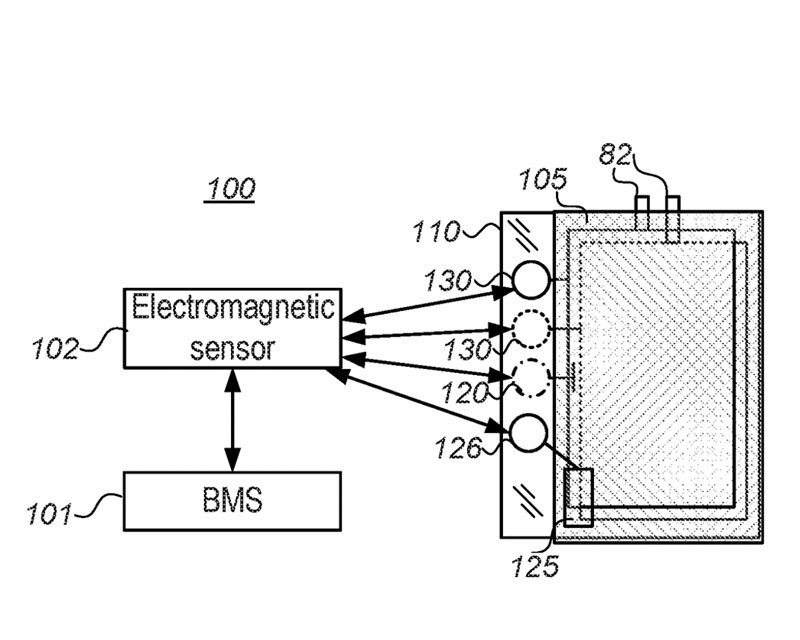
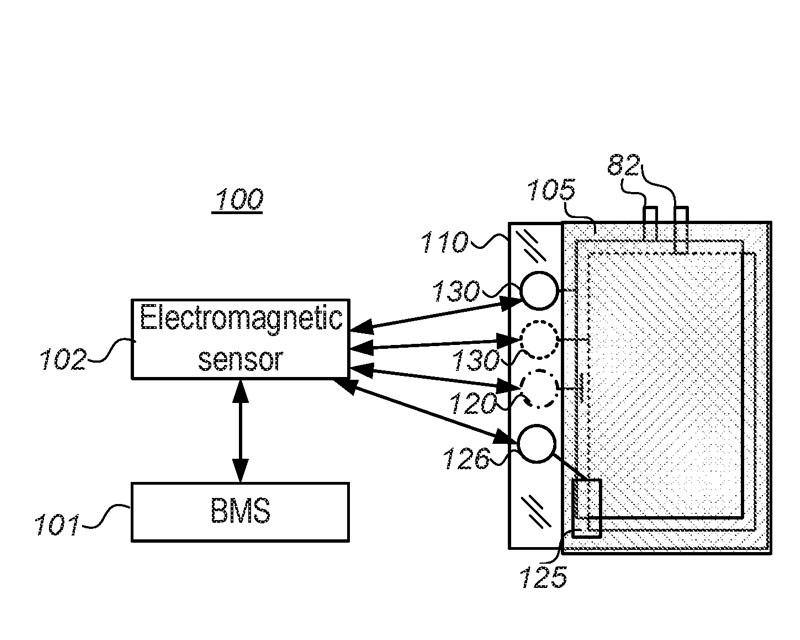
Back in 2020 StoreDot received two co-dependent patents for optical communication through transparent pouches of lithium ion batteries. This innovation covers the co-dependent topics of transparent Li-ion pouch cells and optical communications enabled by their unique transparent construction. ‍ and ‍ StoreDot’s novel see-through battery cell ‍ ‍ Optical communication through transparent pouches of lithium ion batteries ‍ Taken together, these two patents define a novel approach to safer Li-ion batteries in electric vehicle applications. StoreDot’s patents describe a transparent pouch that allows monitoring the battery in operation. In addition, during the complex development process of the battery formulation and cell design, the see-through technology offers manufacturers an innovative alternative to the traditional wired monitoring and management of the battery. Utilizing the transparent pouch, the patent outlines how indicators may be introduced into various cell components such as the electrodes and electrolyte to indicate their operational status and condition. Moreover, using bi-directional electromagnetic (e.g., optical) communication enabled by the transparent pouch, external sensors can be used to analyze the data coming from the indicators. This eliminates the traditional need for physical electrical connections and wiring, thereby saving weight and reducing battery pack complexity. Electromagnetic sensors are configured for direct sensing in order to receive data about the condition of one or more cell components, such as the anode, cathode, and electrolyte. These direct sensing systems could comprise FTIR (Fourier-transform infrared spectroscopy), cameras using CCD (charge-coupled device), CMOS complementary metal-oxide-semiconductor, optical microscopy, confocal micros copy, interferometry, ellipsometry, holography, speckle and Moire techniques, as well as various technologies implementing optical fibers, possibly with enhanced resolution. By so doing, the transparent pouch can be used to monitor battery safety by, for instance, enabling easy tracking of lithium metallization on an anode (either directly or via the indicators), or monitor battery health – allowing for a non-destructive development and analysis process. In addition the materials and structure of the transparent pouch may be selected to enable sensing in a specific wave length range, including one or more bands in any of the optical range - infrared, ultraviolet, X-ray or even particle beams within specified energy ranges (e.g., electron beams). By following the innovative methodology of this see-through technology, manufacturers can configure the BMS to utilize real time sensing and monitoring through communication with at least one electro-magnetic sensor, to improve battery safety in EV applications.
Patent PDF ↗
2022
Charging systems · June 29, 2022

StoreDot granted patents for highly efficient charging stations that simplify the EV charging process

And ‍ As the world transitions to clean energy and all-electric mobility, rapid and efficient charging of the lithium-ion battery is becoming increasingly important to the smooth rollout of technologies that rely…

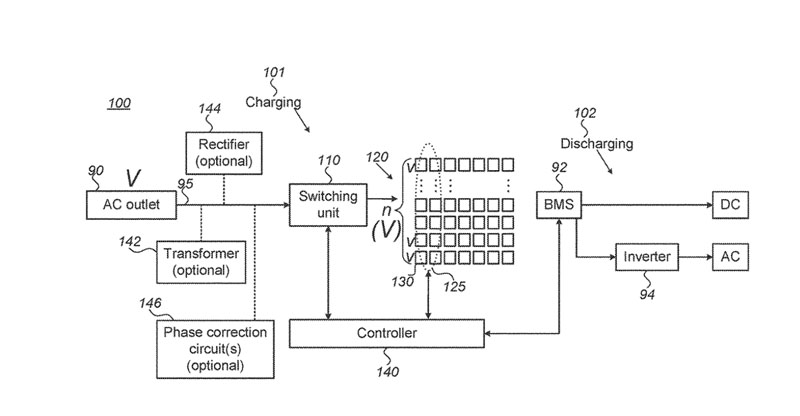
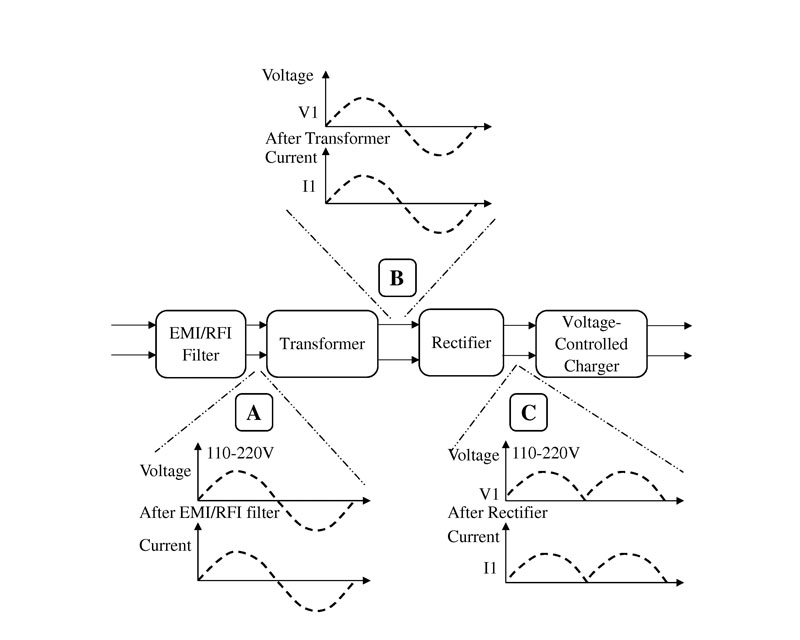
and ‍ As the world transitions to clean energy and all-electric mobility, rapid and efficient charging of the lithium-ion battery is becoming increasingly important to the smooth rollout of technologies that rely on electrical energy storage. As a result, manufacturers are developing new innovative approaches to optimize the charging processes and manage the battery cells to maximize their output and efficiency. StoreDot’s patents describe innovations that increase the charging efficiency of the charger by implementing voltage amplitude modulation or charging multiple cells directly from an AC source, by adjusting, momentarily, the number of charged cells to the instantaneous voltage level of the AC source. ‍ United States Patent and Trademark Office: Direct charging of battery cell stacks >> ‍ And ‍ United States Patent and Trademark Office: Chargers with voltage amplitude modulation >> These two related inventions define a novel approach to charging a battery pack, using an alternating current (AC) source, whilst also describing a method of increasing the charging efficiency of the charger, by modulating the charging voltage amplitude using feedback from at least one cell or energy storage device. Thus, the first patent describes a method for charging an arrangement of battery cells in a battery pack using an alternating current (AC) source. Charging takes place by supplying a voltage at an AC cycle while adjusting the cell groups being charged according to voltage and/or current levels. The adjustment takes place instantaneously with the cells continuously rearranged to equalize at least one cell parameter among the cells selected from a state of charge (SoC) or a state of health (SoH) and related parameters. The battery referred to in the patent consists of groups of cells with several parallel-connected branches, each branch having serially connected cells. The groups in the charged assembly each comprise at least one cell, and each cell group is switchable within and/or between the branches. Whereas this patent describes the process of arranging and re-arranging the charged assembly of cells in various configurations to optimize the charging scheme, the second, related invention, outlines a method of increasing the charging efficiency of a charger by modulating the charging voltage amplitude instead of voltage frequency modulation. This is achieved by modulating the charging voltage amplitude from a DC-rectified AC power source using feedback from at least one cell or energy storage device that is being charged by the charger while maintaining a charging voltage frequency constant at an LLC resonance frequency of the charger. By implementing the inventions described in these patents battery-charging equipment manufacturers can expect to improve not only the charger’s performance and efficiency but also the overall performance, safety, and longevity of the battery pack. This is especially important in case of high power battery charging equipment essential for extreme fast charging .
Patent PDF ↗
2022
Cell architecture & safety · July 31, 2022

StoreDot’s new patent improves EV battery cycle through better management of large stacks of cells

‍ As manufacturers look for ways to increase the battery’s energy density and extend the time between charges – or in the case of electric vehicles, range - the trend is towards installing higher capacity packs made up of large stacks of battery cells. What…

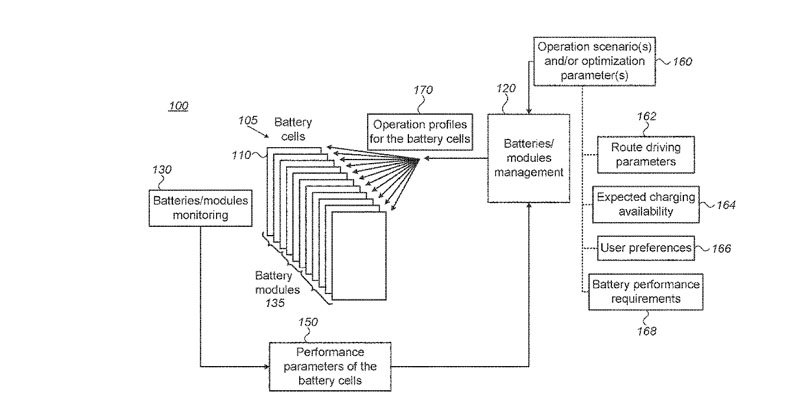
‍ As manufacturers look for ways to increase the battery’s energy density and extend the time between charges – or in the case of electric vehicles, range - the trend is towards installing higher capacity packs made up of large stacks of battery cells. What is more, to reduce weight and overall cost these packs are often incorporated into the device or EV’s frame, making the replacement of a single defective module, or even failing cell, prohibitively expensive. StoreDot’s patent for the innovative management of large stacks of battery cells optimizes performance and battery life whilst offering manufacturers an alternative to the costly and/or impractical early repair or replacement of these battery packs, through an optimized management system that also allows for the incorporation of supplementary cells. ‍ ‍ StoreDot’s patent describes methods and systems to optimize the management and operation of a large number of battery cells, some, most or all of which are fast charging cells configured to be chargeable at least at 5C, and possibly arranged in battery modules such as found in electric vehicle power trains. Applying StoreDot’s innovative management system, an operation profile for the battery cells/ modules is derived for a specific operation scenario and optimization performance parameters. Applying the profile and monitoring the operation of the battery cells/modules, the performance is optimized by continually adjusting the operation profile as required. Furthermore, systems may be configured to balance cell/module parameters between modules, to include parallel supplemental modules and/or serial supplementary cells in the modules that can be utilized to supplement or substitute any failing cells or modules. By applying the appropriate redundancy management, battery performance and lifetime can be improved by configuring the supplemental modules and circuits to store excessive charging energy for cells and/or modules, thereby increasing the cycling lifetime and potentially the efficiency of the systems. By applying these methods manufacturers not only optimize the cell’s performance but also the lifespan of the battery pack. What is more, in applications such as “cell-to-chassis” being developed for EVs, a single supplementary cell or module in a large stack of battery cells could allow continued operation of the vehicle without the expense and complexity of having to replace the entire pack integrated into the vehicle’s frame.
Patent PDF ↗
2022
Anode & silicon · January 13, 2022

StoreDot receives patent for processing silicon-based nano-particles

Oct. 29, 2020: StoreDot receives patent for producing silicon-based nano-particles that enable processing anode material in oxidizing environments Driven by the need to reduce GHG emissions, the world is increasingly turning to electrification, bringing with…

Oct. 29, 2020: StoreDot receives patent for producing silicon-based nano-particles that enable processing anode material in oxidizing environments Driven by the need to reduce GHG emissions, the world is increasingly turning to electrification, bringing with it a growing need to store energy efficiently. Thus with lithium-ion batteries powering everything from consumer electronics to electric vehicles, manufacturers are stepping up their efforts to develop batteries with increased capacity, enhanced safety, and higher charging rates. Key to enabling these advances are the battery electrodes. As a result, considering the high abundance, environmental friendliness, low cost, and high capacity potential of a silicon-based anode, silicon has emerged as one of the most promising anode materials for high-energy LIBs. However, even though using silicon as an active anode material provides many advantages, including greater energy density, it is reactive and requires careful processing in a non-oxidizing environment. Thus StoreDot’s patent relates to the methodology of forming a mixture of silicon particles with nanoparticles (NPs) and carbon-based binders and/or surfactants, with the NPs containing at least one of the following: metalloid oxide NPs, metalloid salt NPs, or carbon NPs. Following StoreDot’s patent the anode can be formed by reducing and consolidating the mixture to yield a reduced compound of coated silicon particles with a surface that provides a passivation layer (possibly amorphous). By so doing it is possible for the NPs to provide nucleation sites for the passivation layer on the surface of the silicon particles, thereby enabling the use of significantly simplified anode-formation processes and materials, such as water-based slurries, using StoreDot’s methods and anode active material particles.
Patent PDF ↗
2022
Anode & silicon · February 28, 2022

StoreDot receives patent for anode preparation system

‍ Jul. 30, 2020: StoreDot receives patent for anode preparation system applying dry etching treatment to the anodes. ‍ Because of their outstanding energy density and long cycle life, lithium‐ion batteries (LIBs) are being used in an ever-increasing number of…

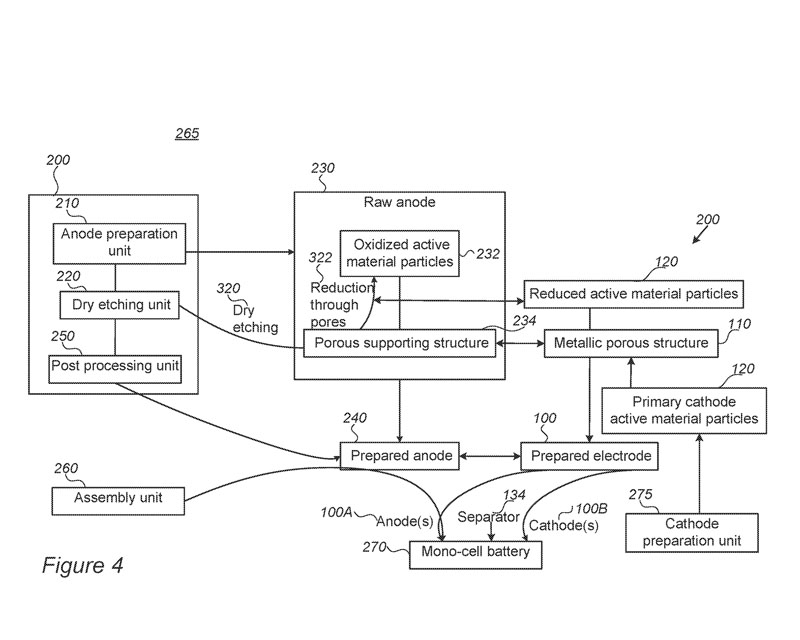
‍ Jul. 30, 2020: StoreDot receives patent for anode preparation system applying dry etching treatment to the anodes. ‍ Because of their outstanding energy density and long cycle life, lithium‐ion batteries (LIBs) are being used in an ever-increasing number of energy storage applications. Everything from grid energy storage, to consumer electronics, and electric vehicles are turning to LIBs. And as the production volumes increase, manufacturers are looking for ways to simplify manufacturing, reduce costs and improve performance. Thus StoreDot’s patent describes efficient and economical processes and mechanisms for preparing anodes - especially metalloid-based anodes for fast-charging lithium-ion cells - that improves the technology driving energy storage. The patent outlines a method of preparing a raw anode from oxidized active material particles, together with a supporting structure that includes electron conductive elements and ion conductive channels that interconnect the oxidized active material particles to each other and the surface of the raw anode. The process ensures the reduction (de-oxidation) takes place on the surface areas of the particles which are in contact with the ion-conductive channels, thereby ensuring a good ion conductivity of the anode. In general, anode preparation takes place in an aqueous (water-based) environment, such as in a water-based slurry, or in any other potentially oxidizing atmosphere, such as air. Expediently, by oxidizing (followed by de-oxidation) the active material particles in the raw anode, the preparation processes can also be simplified significantly, thereby enhancing productivity and safety, as oxidized active material particles are much less reactive than prior art non-oxidized active material particles. As part of the process, an RIE (Reactive-ion etching) treatment is applied to the raw anode to at least partly reduce the oxidized active material particles - whose conductivity is rather low when compared to non-oxidized particles - thereby enhancing electrical conductivity. By following the methodology described in the patent manufacturers can simplify the manufacturing process and improve the performance and safety of the anode, and therefore of the battery.
Patent PDF ↗
2021
Anode & silicon · September 12, 2021

Patent for enhancement of cathode stability during fast charging granted to StoreDot

November 28, 2017: StoreDot receives patent for in-battery polymerization of conducting polymers for high-rate charging cathodes Rechargeable lithium batteries are extensively used for portable electronic devices as well as hybrid electronic vehicles. The…

November 28, 2017: StoreDot receives patent for in-battery polymerization of conducting polymers for high-rate charging cathodes Rechargeable lithium batteries are extensively used for portable electronic devices as well as hybrid electronic vehicles. The cell capacity and rate capability as well as safety, environmental compatibility, life cycle, and cost are among the commercial considerations in preparing and using various types of batteries. Olivine LiFePO4 (LFP) cathode material is known to be low-cost, safe, environmentally benign, and further, provides beneficial cyclability and large capacity at high rates of charge and discharge. It is noted that the LFP particles used are of nano-scale and/or are coated with carbon; due to poor kinetic response of electronic and Li+-ion transfer under rapid-rate conditions. The present invention relates to the field of batteries, and more particularly, to cathodes for fast-charging lithium ion batteries. This disclosure covers cathodes for a fast-charging lithium-ion battery, processes for manufacturing thereof, and corresponding batteries. Cathode formulations comprise cathode material having an olivine-based structure, binder material, and monomer material selected to polymerize into a conductive polymer upon partial delithiation of the cathode material during at least a first charging cycle of a cell having a cathode made of the cathode formulation. When the cathode is used in a battery, polymerization is induced in-situ (in-cell) during first charging cycle(s) of the battery to provide a polymer matrix that is evenly dispersed throughout the cathode.
Patent PDF ↗
2021
Anode & silicon · June 8, 2021

Patent for methods for preparing anodes from anode active material particles

‍ October 22 2019: StoreDot receives patent for methods for preparing anodes from anode active material particles with lithium borates and phosphates coatings ‍ A major barrier in battery technology concerns safety…

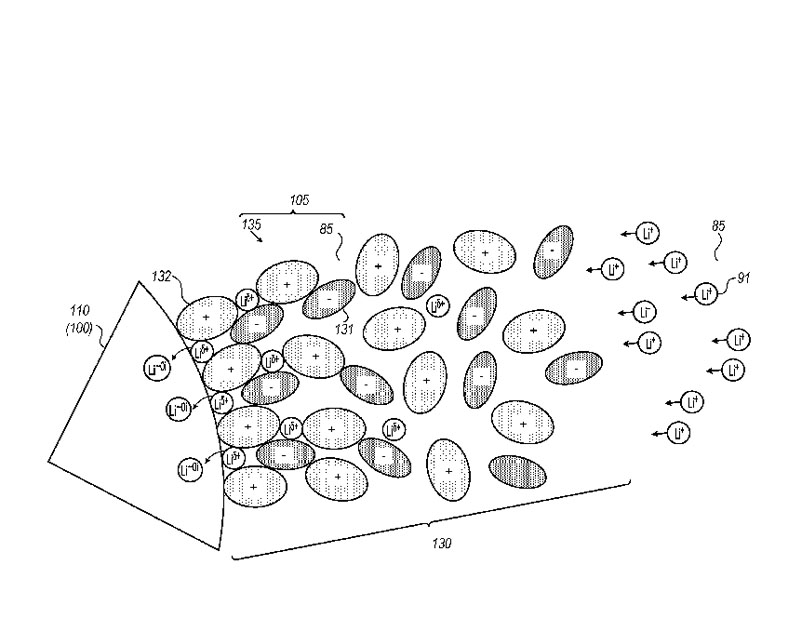
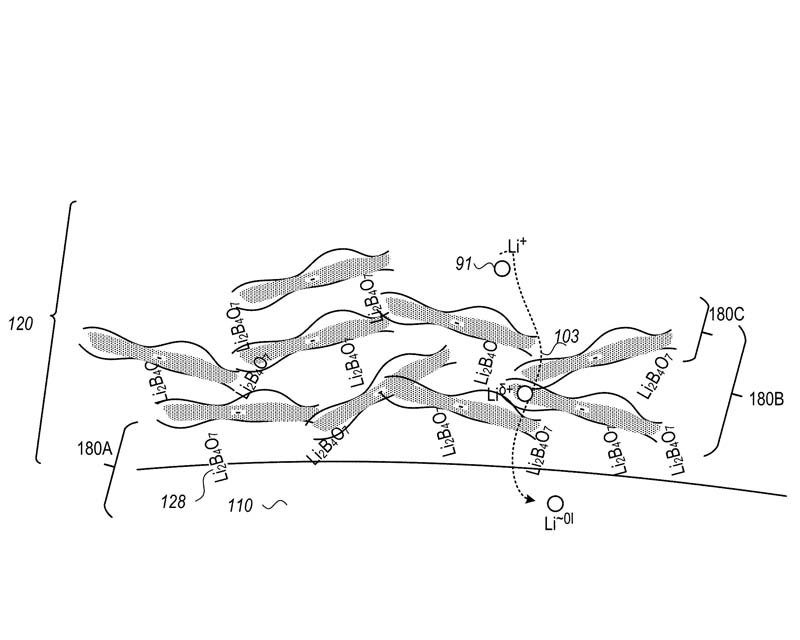
‍ October 22 2019: StoreDot receives patent for methods for preparing anodes from anode active material particles with lithium borates and phosphates coatings ‍ A major barrier in battery technology concerns safety requirements, particularly when batteries are overheated or overcharged, resulting in thermal runaway, cell breakdown and possibly fire or explosion. Additionally, a short circuit or a design defect may also bring about battery failure resulting in fire and safety risks. Lithium-ion batteries in particular, while having operational advantages, are potentially flammable due to their high reactivity, particularly when in contact with humidity. The present invention relates to the field of energy storage devices, and more particularly, to fast-charging lithium-ion batteries. This disclosure covers improved anodes and cells, which enable fast charging rates with enhanced safety due to much reduced probability of metallization of lithium on the anode, preventing dendrite growth and related risks of fire or explosion. Anodes and/or electrolytes have buffering zones for partly reducing and gradually introducing lithium ions into the anode for lithiation, to prevent lithium-ion accumulation at the anode electrolyte interface and consequent metallization and dendrite growth. Various anode active materials and combinations, modifications through nanoparticles, and a range of coatings that implement the improved anodes are provided.
Patent PDF ↗
2021
Anode & silicon · December 28, 2021

StoreDot receives patent for unique electrolyte additives in lithium-ion batteries

Nov. 21, 2019: StoreDot receives patent that improves battery operation with electrolyte additives having dithioester functional group(s) in lithium-ion batteries As Lithium-ion batteries grow in popularity, their safety and performance continue to improve to…

Nov. 21, 2019: StoreDot receives patent that improves battery operation with electrolyte additives having dithioester functional group(s) in lithium-ion batteries As Lithium-ion batteries grow in popularity, their safety and performance continue to improve to meet a wider range of applications. The electrolytes of lithium-ion batteries are an important component affecting their safety and performance. Solid electrolyte interphase (SEI)-forming agents such as vinyl carbonate, sulfone, and cyclic sulfate are commonly believed to be film-forming additives that help enhance electrode stability in lithium-ion batteries. Thioesters are molecules containing a C-S-CO-C grouping. They are like esters, but with a sulfur atom instead of oxygen. Like esters, they can be made from carboxylic acids. In the synthesis, thiol is used instead of alcohol. Thus StoreDot’s patent calls for electrolyte additives having dithioester functional group(s) that stabilize the SEI at the surfaces of the anode material particles, and/or stabilize the CEI (cathode electrolyte interface) at the surfaces of the cathode material particles, and/or act as oxygen scavengers to prevent cell degradation. The electrolyte additives having dithioester functional group(s) may function as polymerization controlling and/or chain transfer agents that regulate the level of polymerization of other electrolyte components, such as VC (vinyl carbonate) and improve the formation and operation of the batteries. The lithium ion batteries may have metalloid-based anodes - including mostly Si, Ge and/or Sn as anode active material particles.
Patent PDF ↗
2020
Anode & silicon · October 29, 2020

Patent for fast charging and power boosting lithium-ion batteries granted to StoreDot

October 29, 2020: StoreDot receives patent for fast charging and power-boosting lithium-ion batteries Lithium-ion batteries are used for a growing range of applications, as their safety and performance are improved. An important parameter in operation of…

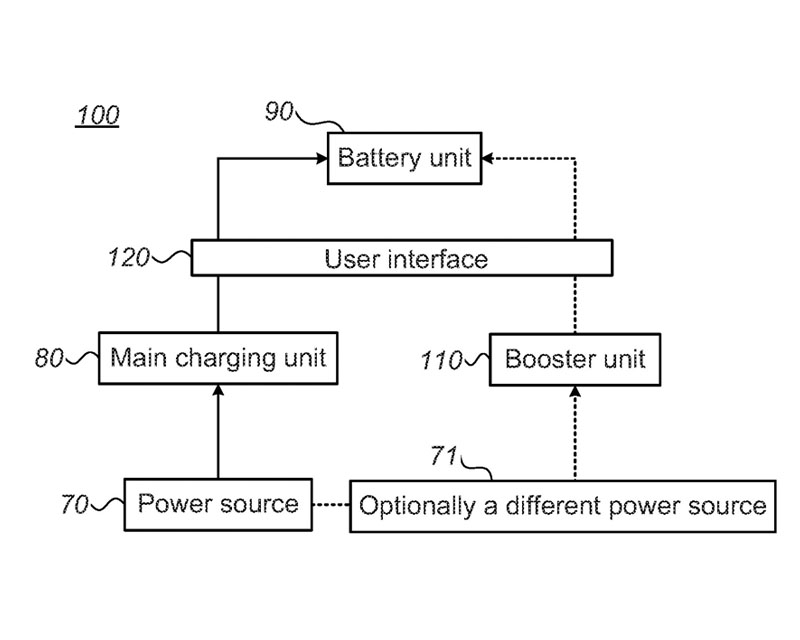
October 29, 2020: StoreDot receives patent for fast charging and power-boosting lithium-ion batteries Lithium-ion batteries are used for a growing range of applications, as their safety and performance are improved. An important parameter in operation of lithium-ion batteries is their charging rates, that are continuously raised to supply the increasing demand for fast-charged lithium-ion batteries. This invention covers charging systems and methods, which increase charging currents and reduce charging durations for battery cells with metalloid-based anodes that enable high C-rate (charging rate) charging. Specifically, methods comprise charging battery cells having metalloid-based anodes having Si, Ge and/or Sn-based anode active material, by providing a high-C charging current of at least 4 C (or 5 C, or 10 C or more) over a range of at least 10-70% SoC (state of charge) of the battery cells. Charging systems comprise a booster unit configured to provide a high-C charging current over at least most of the SoC range of battery cells having metalloid-based anodes in the at least one battery unit. Charging systems further comprise a user interface configured to receive user preferences concerning a specified charging duration and/or a specified target SoC—for implementation by the charging system.
Patent PDF ↗
2020
Anode & silicon · February 26, 2020

Patent for optical communication through transparent pouches of lithium-ion batteries

February 26, 2020: StoreDot assigned patent for optical communication through transparent pouches of lithium-ion batteries This patent covers lithium-ion batteries and cells, as well as operating and testing methods, which utilize a transparent pouch to…

February 26, 2020: StoreDot assigned patent for optical communication through transparent pouches of lithium-ion batteries This patent covers lithium-ion batteries and cells, as well as operating and testing methods, which utilize a transparent pouch to monitor the battery in operational condition and/or in operation. Transparent parts of the pouch may be used for direct sensing of cell elements. Removable covers may be used to protect battery components from illumination damage. Indicators in the transparent pouch may be associated with cell components such as electrodes and electrolyte to indicate their condition. External sensors may be used to derive data from the indicators, and bi-directional electromagnetic (e.g., optical) communication may be established through the transparent pouch, to enhance monitoring and spare physical electrical connections. Transparent pouches based on this patent may be used to monitor and enhance battery safety and/or to modify operational parameters non-destructively, during operation of the battery.
Patent PDF ↗
2020
Anode & silicon · December 1, 2020

On the road to solid state EV battery tech

‍ StoreDot receives patent for introducing a mobile layer of ionic liquid into electrolytes of lithium-ion batteries ‍ Patent for introducing a mobile layer of ionic liquid into electrolytes of lithium-ion batteries granted to StoreDot ‍ With continued…

‍ StoreDot receives patent for introducing a mobile layer of ionic liquid into electrolytes of lithium-ion batteries ‍ Patent for introducing a mobile layer of ionic liquid into electrolytes of lithium-ion batteries granted to StoreDot ‍ With continued success in the portable electronic device market, Li-ion batteries (LIBs) are of increasing interest for applications in electric and hybrid vehicles, surgical tools, and oil and gas drilling, etc., due to their superior energy density and long cycle life. However, current LIBs employ conventional liquid electrolytes based on organic solvents, which poses a safety concern, especially at elevated temperatures. Specifically, possible side reactions become more dominating at higher temperatures as the rate of chemical reaction between the dissolved lithium salt and electrolyte solvent increases. The present invention relates to the field of lithium-ion batteries, and more particularly, to electrolytes for preventing lithium metallization. This disclosure covers electrolytes, anodes, lithium-ion cells and methods for preventing lithium metallization in lithium-ion batteries to enhance their safety. Electrolytes comprise up to 20% ionic liquid additives that form a mobile solid electrolyte interface during charging of the cell and prevent lithium metallization and electrolyte decomposition on the anode while maintaining the lithium-ion mobility at a level that enables fast charging of the batteries. Anodes are typically metalloid-based, for example include silicon, germanium, tin, and/or aluminum. A surface layer on the anode bonds at least some of the ionic liquid additive to form an immobilized layer that provides further protection at the interface between the anode and the electrolyte, prevents metallization of lithium on the former, and decomposition of the latter.
Patent PDF ↗
2019
Anode & silicon · October 29, 2019

StoreDot receives patent for safer fast-charging Li-ion battery

Patent for Composite Lithium Borates and/or Phosphates and Polymer Coatings for Active Material Particles Granted to StoreDot ‍ A major barrier in battery technology concerns safety requirements, particularly when batteries are overheated or overcharged,…

Patent for Composite Lithium Borates and/or Phosphates and Polymer Coatings for Active Material Particles Granted to StoreDot ‍ A major barrier in battery technology concerns safety requirements, particularly when batteries are overheated or overcharged, resulting in thermal runaway, cell breakdown, and possibly fire or explosion. Additionally, a short circuit or a design defect may also bring about battery failure resulting in fire and safety risks. Lithium ion batteries in particular, while having operational advantages, are potentially flammable due to their high reactivity, particular when in contact with humidity. This patent granted to StoreDot covers improved anodes and cells, which enable fast charging rates with enhanced safety due to much reduced probability of metallization of lithium on the anode, preventing dendrite growth and related risks of fire or explosion. Anodes and/or electrolytes have buffering zones for partly reducing and gradually introducing lithium ions into the anode for lithiation, to prevent lithium ion accumulation at the anode electrolyte interface and consequent metallization and dendrite growth. Various anode active materials and combinations, modifications through nanoparticles, and a range of coatings which implement the improved anodes are covered. ‍
Patent PDF ↗
2019
Anode & silicon · October 22, 2019

StoreDot receives patent for composite anode material made of core-shell particles

Patent for composite anode material made of core-shell particles granted to StoreDot With continued success in the portable electronic device market, Li-ion batteries (LIBs) are of increasing interest for applications in electric and hybrid vehicles, surgical…

Patent for composite anode material made of core-shell particles granted to StoreDot With continued success in the portable electronic device market, Li-ion batteries (LIBs) are of increasing interest for applications in electric and hybrid vehicles, surgical tools, and oil and gas drilling, etc., due to their superior energy density and long cycle life. However, current LIBs employ conventional graphite anodes, which are limited in their capacity and their ability to support fast charging. The present invention relates to the field of lithium-ion batteries, and more particularly, to anodes thereof. This disclosure covers core-shell particles, composite anode material, anodes made therefrom, lithium-ion cells and methods, which enable production of fast-charging lithium-ion batteries. The composite anode material has core-shell particles that are configured to receive and release lithium ions at their cores and to have shells that are configured to allow for core expansion upon lithiation. The cores of the core-shell particles are connected to the respective shells by conductive material such as carbon fibers, which may form a network throughout the anode material and possibly interconnect cores of many core-shell particles to enhance the electrical conductivity of the anode. Ionic conductive material and possibly mechanical elements may be incorporated in the core-shell particles to enhance ionic conductivity and mechanical robustness toward expansion and contraction of the cores during lithiation and de-lithiation.
Patent PDF ↗
2019
Anode & silicon · November 05, 2019

StoreDot granted fast-charging battery with enhanced safety patent, enhancing its XFC IP portfolio

November 05, 2019: Patent for graphite-carbohydrate active material particles with carbonized carbohydrates granted to StoreDot A major barrier in battery technology concerns safety requirements, particularly when batteries are overheated or overcharged,…

November 05, 2019: Patent for graphite-carbohydrate active material particles with carbonized carbohydrates granted to StoreDot A major barrier in battery technology concerns safety requirements, particularly when batteries are overheated or overcharged, resulting in thermal runaway, cell breakdown and possibly fire or explosion. Additionally, a short circuit or a design defect may also bring about battery failure resulting in fire and safety risks. Lithium ion batteries in particular, while having operational advantages, are potentially flammable due to their high reactivity, particularly when in contact with humidity. The present invention relates to the field of energy storage devices, and more particularly, to fast-charging lithium ion batteries. This disclosure covers methods of making anode active materials that include milling graphite particles with carbohydrate particles to yield graphite-carbohydrate particles, milling the particles with anode material, and carbonizing to form composite anode material particles. The anode active materials thus produced are provided with an at least partially porous carbon-graphite coating with both electronic and ionic conductivity. Improved anodes and cells are provided, which enable fast charging rates with enhanced safety due to much reduced probability of metallization of lithium on the anode, preventing dendrite growth and related risks of fire or explosion. Anodes and/or electrolytes have buffering zones for partly reducing and gradually introducing lithium ions into the anode for lithiation, to prevent lithium ion accumulation at the anode electrolyte interface and consequent metallization and dendrite growth. Various anode active materials and combinations, modifications through nanoparticles, and a range of coatings that implement the improved anodes are provided.
Patent PDF ↗
2019
Anode & silicon · July 30, 2019

StoreDot receives patent for aluminum anode active material

‍ Patent for aluminum anode active material granted to StoreDot ‍ A major barrier in battery technology concerns safety requirements, particularly when batteries are overheated or overcharged, resulting in thermal runaway, cell breakdown, and possibly fire or…

‍ Patent for aluminum anode active material granted to StoreDot ‍ A major barrier in battery technology concerns safety requirements, particularly when batteries are overheated or overcharged, resulting in thermal runaway, cell breakdown, and possibly fire or explosion. Additionally, a short circuit or a design defect may also bring about battery failure resulting in fire and safety risks. Lithium ion batteries in particular, while having operational advantages, are potentially flammable due to their high reactivity, particularly when in contact with humidity. The present invention relates to the field of energy storage devices, and more specifically, to fast charging lithium ion batteries. This disclosure covers improved anodes and cells, which enable fast charging rates with enhanced safety due to much reduced probability of metallization of lithium on the anode, preventing dendrite growth and related risks of fire or explosion. Anodes and/or electrolytes have buffering zones for partly reducing and gradually introducing lithium ions into the anode for lithiation, to prevent lithium ion accumulation at the anode electrolyte interface and consequent metallization and dendrite growth. An anode comprising anode active material particles which comprise aluminum particles, wherein a lithium-containing layer replaces a native oxide on the surface of the aluminum particle, which implement the improved anodes are provided.
Patent PDF ↗
2019
Anode & silicon · July 30, 2019

StoreDot receives patent for methods of preparing anodes using tin as active material

‍ Patent for methods of preparing anodes using tin as active material granted to StoreDot A major barrier in battery technology concerns safety requirements, particularly when batteries are overheated or overcharged, resulting in thermal runaway, cell…

‍ Patent for methods of preparing anodes using tin as active material granted to StoreDot A major barrier in battery technology concerns safety requirements, particularly when batteries are overheated or overcharged, resulting in thermal runaway, cell breakdown and possibly fire or explosion. Additionally, a short circuit or a design defect may also bring about battery failure resulting in fire and safety risks. Lithium ion batteries in particular, while having operational advantages, are potentially flammable due to their high reactivity, particularly when in contact with humidity. The present invention relates to the field of energy storage devices, and more particularly, to method of preparing fast charging lithium ion batteries. This disclosure covers improved anodes and cells, which enable fast charging rates with enhanced safety due to much reduced probability of metallization of lithium on the anode, preventing dendrite growth and related risks of fire or explosion. Anodes and/or electrolytes have buffering zones for partly reducing and gradually introducing lithium ions into the anode for lithiation, to prevent lithium ion accumulation at the anode electrolyte interface and consequent metallization and dendrite growth. The disclosed method covers various anode active materials and combinations, modifications through nanoparticles, and a range of coatings that implement the improved anodes, including a method for preparing a lithium ion cell comprising: attaching nanoparticles to anode active material particles that comprise 5-80% tin, wherein the nanoparticles are at least one order of magnitude smaller than the anode active material particles, preparing an anode from the anode active material particles having the attached nanoparticles, and preparing a lithium ion cell using the prepared anode.
Patent PDF ↗
2019
Anode & silicon · July 16, 2019

StoreDot receives patent for lithium borates and phosphates coatings

A major barrier in battery technology concerns safety requirements, particularly when batteries are overheated or overcharged, resulting in thermal runaway, cell breakdown and possibly fire or explosion. Additionally, a short circuit or a design defect may…

A major barrier in battery technology concerns safety requirements, particularly when batteries are overheated or overcharged, resulting in thermal runaway, cell breakdown and possibly fire or explosion. Additionally, a short circuit or a design defect may also bring about battery failure resulting in fire and safety risks. Lithium ion batteries in particular, while having operational advantages, are potentially flammable due to their high reactivity, particularly when in contact with humidity. The present invention relates to the field of energy storage devices, and more particularly, to fast charging lithium ion batteries. This disclosure covers improved anodes and cells, which enable fast charging rates with enhanced safety due to much reduced probability of metallization of lithium on the anode, preventing dendrite growth and related risks of fire or explosion. Anodes and/or electrolytes have buffering zones for partly reducing and gradually introducing lithium ions into the anode for lithiation, to prevent lithium ion accumulation at the anode electrolyte interface and consequent metallization and dendrite growth. Claimed within this patent is an anode comprising anode active material particles which comprise at least one of a boron oxide, a phosphorus oxide, a borate, a phosphate and salts thereof, wherein at least one coating comprises a layer of B2O3, which replaces a native oxide on the surface of the anode active material particles. Image source: Penn State
Patent PDF ↗
2019
Anode & silicon · February 5, 2019

Patent for Anodes for Lithium-ion Devices Granted to StoreDot

An anode material for a lithium-ion device includes an active material including silicon nanoparticles and boron carbide nanoparticles. The patent covers an active material comprising silicon particles in the size of 100-500 nm, and boron carbide…

In this patent granted to StoreDot by the USPTO, an anode material for a lithium-ion device includes an active material including silicon nanoparticles and boron carbide nanoparticles. The patent covers an active material comprising silicon particles in the size of 100-500 nm, and boron carbide nanoparticles, wherein the boron carbide nanoparticles are at least one order of magnitude smaller than the silicon particles, and wherein the weight percentage of the silicon particles is between about 4 to about 35 weight % of the total weight of the anode material and the weight percentage of the boron carbide nanoparticles is between about 2.5 to about 25.6 weight % of the total weight of the anode material. "We believe that novel battery systems using this patented approach, especially in vehicle and grid-storage applications, for example, can benefit from enhanced performance and increased lifetime, while allowing for significantly faster charging," said StoreDot CTO Dr. Daniel Aronov.
Patent PDF ↗
2019
Charging systems · April 9, 2019

StoreDot receives patent for devices and methods for adaptive fast-charging of mobile devices

‍ Modern electronic appliances are becoming ubiquitous for personal as well as business use. It cannot be overstated that with the evolution of such devices, mobility has emerged as a key driver in feature enhancement for technological innovation. While the…

‍ Modern electronic appliances are becoming ubiquitous for personal as well as business use. It cannot be overstated that with the evolution of such devices, mobility has emerged as a key driver in feature enhancement for technological innovation. While the rapid advancement of low power-consumption processors and flash-memory devices have enabled such mobility to reach new levels of real-world productivity, further development is significantly hampered by the rather slow progress made in battery technology. The proliferation of smart phones, tablets, laptops, ultrabooks, and the like (acquiring smaller and smaller form factors) has made this issue even more abundantly apparent as consumers are eager to have longer and longer device usage times between recharge cycles, without adding heft to the weight and footprint of such devices. The invention protected by this patent relates to devices and methods for adaptive fast-charging of mobile devices. Methods include the steps of: firstly determining whether a first connected component is charged; upon firstly determining the first connected component isn't charged, secondly determining whether the first connected component is adapted for rapid charging; and upon secondly determining the first connected component is adapted for rapid charging, firstly charging the first connected component at a high charging rate via a charging device.
Patent PDF ↗
2017
Anode & silicon · February 28, 2017

StoreDot receives patent for making anodes for germanium-containing lithium-ion devices

The Lithium ion batteries, also known as Li-ion Batteries or LIBs, are widely used in mobile telephones, tablets, laptops, and other consumer electronics. LIB's are also used in military applications, electric…

The Lithium ion batteries, also known as Li-ion Batteries or LIBs, are widely used in mobile telephones, tablets, laptops, and other consumer electronics. LIB's are also used in military applications, electric vehicles, aerospace applications, and other fields. During discharge of the battery, lithium ions (Li-ions) travel from a high-energy anode material through an electrolyte and a separator to a low-energy cathode material. During charging, energy is used to transfer the Li-ions back to the high-energy anode assembly. The charge and discharge processes in batteries are slow processes and can degrade the chemical compounds inside the battery over time. Rapid charging causes accelerated degradation of the battery constituents, as well as a potential fire hazard due to a localized, over-potential build-up and increased heat generation, which can ignite the internal components, and lead to explosion. The present disclosure relates to electrode active materials used in lithium ion devices, such as rechargeable lithium ion batteries. This disclosure covers the methods for making anodes for lithium ion devices. The methods include milling germanium powder, carbon, and boron carbide powder to form a nano-particle mixture having a particle size of 20 to 100 nm.
Patent PDF ↗
2017
Anode & silicon · August 17, 2017

StoreDot receives patent for germanium-containing lithium-ion devices

Patent for germanium-containing lithium-ion devices granted to StoreDot Lithium ion batteries, also known as Li-ion Batteries or LIBs, are widely used in consumer electronics, for example in mobile telephones, tablets and laptops. LIBs are also used in other…

Patent for germanium-containing lithium-ion devices granted to StoreDot Lithium ion batteries, also known as Li-ion Batteries or LIBs, are widely used in consumer electronics, for example in mobile telephones, tablets and laptops. LIBs are also used in other fields, such as military uses, electric vehicles, and aerospace applications. During discharge of the battery, lithium ions (Li-ions) travel from a high-energy anode material through an electrolyte and a separator to a low-energy cathode material. During charging, energy is used to transfer the Li-ions back to the high-energy anode assembly. The charge and discharge processes in batteries are slow processes and can degrade the chemical compounds inside the battery over time. Rapid charging causes accelerated degradation of the battery constituents, as well as a potential fire hazard due to a localized, over-potential build-up and increased heat generation, which can ignite the internal components, and lead to explosion. This patent relates to a lithium ion device comprising: an anode having an active material comprising germanium nano-particles having a particle size of 20 to 100 nm, boron carbide nano-particles having a particle size of 20 to 100 nm, and tungsten carbide nano-particles having a particle size of 20 to 60 nm, wherein the weight percentage of the germanium is between 5 to 80 weight % of the total weight of the anode, the weight percentage of boron in the anode is between 2 to 20 weight % of the total weight of the anode and the weight percentage of tungsten in the anode is between 5 to 20 weight % of the total weight of the anode; a cathode; and an electrolyte. The presence of boron and/or tungsten may facilitate the electrochemical utilization of the germanium (and the silicon in a Si—Ge anode material), and substantially may reduce the migration of germanium into the electrode substrate. Moreover, boron carbide may enhance the binding energy of Li atoms, (boron's binding energy is greater than the cohesive energy of lithium metal) and may prevent lithium from clustering at high lithium doping concentrations. Tungsten carbide with naturally occurring germanium oxide-carbon composites may improve the electrochemical behavior of the anode. The tungsten-carbide may act as hydron (H+) ion barrier. Tungsten carbide is highly conductive and inert substance, therefore, may further stabilize the conductivity of the electrode over the life cycle and therefore, may stabilize the conductivity of the electrode.
Patent PDF ↗
2016
Anode & silicon · October 18, 2016

StoreDot receives patent for anode active materials for lithium-ion devices

October 18, 2016: Patent for anodes comprising graphite, germanium, boron, silicon, and/or tungsten for lithium-ion devices granted to StoreDot Typical Li-ion battery anodes contain mostly graphite. Silicon or germanium, as anode-alloying components,…

October 18, 2016: Patent for anodes comprising graphite, germanium, boron, silicon, and/or tungsten for lithium-ion devices granted to StoreDot Typical Li-ion battery anodes contain mostly graphite. Silicon or germanium, as anode-alloying components, generally exhibit higher lithium absorption capacities in comparison to anodes containing only graphite. Such silicon-containing or germanium-containing electrodes, however, usually exhibit poor life cycle and poor coulombic efficiency due to the mechanical expansion of silicon and germanium upon alloying with lithium, and upon lithium extraction from the alloy, which reduce the silicon alloy volume. This mechanical instability results in the material breaking into fragments. The present disclosure relates to electrode-active materials used in lithium-ion devices, such as rechargeable lithium-ion batteries. This disclosure covers an anode material for a lithium-ion device that includes an active material including graphite, germanium, boron, silicon, and/or tungsten.
Patent PDF ↗
2016
Charging systems · June 14, 2016

StoreDot receives patent for method and device for fast-charging of rechargeable batteries

‍ Patent for method and device for fast-charging of rechargeable batteries granted to StoreDot Lithium-ion batteries currently having the highest energy density of rechargeable batteries available, typically suffer from a low power by virtue of reversible…

‍ Patent for method and device for fast-charging of rechargeable batteries granted to StoreDot Lithium-ion batteries currently having the highest energy density of rechargeable batteries available, typically suffer from a low power by virtue of reversible Coulombic reactions occurring at both electrodes, involving charge transfer and ion diffusion in bulk electrode materials. ‍ Since both diffusion and charge transfer are slow processes, power delivery as well as the recharge time of lithium-ion batteries is kinetically limited. As a result, batteries have a low power density, and lose their ability to retain energy throughout their lifetime due to material degradation. The present invention relates to a method and device for fast-charging of a lithium-ion battery, including: continuously monitoring a state of charge (SOC) of the lithium-ion battery, during a normal mode of operation and upon detecting that the battery is at the predetermined low charge level, discontinuing the discharge. ‍
Patent PDF ↗
2016
Charging systems · February 2, 2016

StoreDot receives patent for devices for adaptive fast-charging of mobile devices

‍ Patent for devices for adaptive fast-charging of mobile devices granted to StoreDot Modern electronic appliances are becoming ubiquitous for personal as well as business use. It cannot be overstated that with the evolution of such devices, mobility has…

‍ Patent for devices for adaptive fast-charging of mobile devices granted to StoreDot Modern electronic appliances are becoming ubiquitous for personal as well as business use. It cannot be overstated that with the evolution of such devices, mobility has emerged as a key driver in feature enhancement for technological innovation. ‍ While the rapid advancement of low power-consumption processors and flash-memory devices has enabled such mobility to reach new levels of real-world productivity, further development is significantly hampered by the rather slow progress made in battery technology. The proliferation of smart phones, tablets, laptops, ultrabooks, and the like (acquiring smaller and smaller form factors) has made this issue even more abundantly apparent as consumers are eager to have longer and longer device usage times between recharge cycles, without adding heft to the weight and footprint of such devices. The present invention discloses devices, for adaptive fast-charging of mobile devices, including: a charge-delivering device for providing electrical power to a charge-receiving device; and at least one electrical-contact pin for enabling electrical current to be transmitted at an amperage greater than about 5 A to the charge-receiving device. Preferably, the charge-receiving device is selected from the group consisting of: an integral power-source component of a mobile device and a slave battery. Preferably, at least one electrical-contact pin is further configured to transmit the electrical current at an amperage selected from the group consisting of: greater than about 10 A, greater than about 20 A, greater than about 30 A, and greater than about 60 A. Preferably, at least one electrical-contact pin is spring-loaded. Preferably, at least one electrical-contact pin includes protection circuitry for protecting against thermal overloads and short circuits. Preferably, the device charger further includes: a receiving-area holder for properly engaging the charge-receiving device.
Patent PDF ↗
2016
Anode & silicon · August 2, 2016

StoreDot receives an additional patent for preparing a Li-ion battery anode

‍ August 2, 2016: Patent for method of preparing an anode for a Li-ion battery granted to StoreDot Forming nano-structured alloys may involve some degree of oxygen contamination. Nano-size particles, and in particular nano-size metallic particles, are highly…

‍ August 2, 2016: Patent for method of preparing an anode for a Li-ion battery granted to StoreDot Forming nano-structured alloys may involve some degree of oxygen contamination. Nano-size particles, and in particular nano-size metallic particles, are highly reactive, having a high surface to volume ratio. Therefore, nano-size metallic particles will be easily contaminated by oxygen atoms at almost every step in the manufacturing process. For example, oxygen may be included on the surface of the raw materials (metallic and non-metallic powders) and oxygen may react with the raw material powders during mixing or milling of the powders, and even during storage of the mixture. Regardless of the protective atmosphere that is provided at each production stage, some oxygen atoms will be absorbed by, and react with, the surface of the nano-size metallic particles. This disclosure covers a method of preparing an anode for a Li-ion Battery and comprises mixing metal particles containing at least one of Ge, Sn and Si particles with carbon particles to form a mixture, and deoxidizing the metal particles by heating the mixture in a vacuum atmosphere to form a deoxidized mixture. The deoxidation improves the Li-ion absorption performance of the anode.
Patent PDF ↗
2016
Charging systems · April 26, 2016

StoreDot receives patent for high-power charging devices for charging energy-storage devices

‍ Patent for high-power charging devices for charging energy-storage devices granted to StoreDot ‍ Most mobile-device chargers are not really chargers, but rather only power adaptors that provides a power source for the charging circuitry, which is usually…

‍ Patent for high-power charging devices for charging energy-storage devices granted to StoreDot ‍ Most mobile-device chargers are not really chargers, but rather only power adaptors that provides a power source for the charging circuitry, which is usually contained within the mobile device. Mobile-device chargers are simply AC-to-DC converters. Such chargers convert an input of 86-260 Volts AC (RMS) into an output voltage of around 5 Volts DC. Generally, the output voltage of the charger is in the range of 5 to 5.5 Volts DC (e.g., suitable for cellphones). Mobile devices having internal rechargeable batteries need to be charged with a DC voltage slightly higher than the battery voltage supplied by simple mobile-device chargers. The present invention relates to high-power, highly efficient charging devices for charging energy-storage devices.
Patent PDF ↗
2015
Charging systems · December 29, 2015

StoreDot receives patent for multi-functional electrode devices for fast-charging batteries

‍ Patent for multi-functional electrode devices for fast-charging of energy-storage devices and methods therein granted to StoreDot Modern electronic appliances are becoming ubiquitous for personal, as well as business use. It cannot be overstated that with…

‍ Patent for multi-functional electrode devices for fast-charging of energy-storage devices and methods therein granted to StoreDot Modern electronic appliances are becoming ubiquitous for personal, as well as business use. It cannot be overstated that with the evolution of such devices, mobility has emerged as a key driver in feature enhancement for technological innovation. While the rapid advancement of low power-consumption processors and flash-memory devices have enabled such mobility to reach new levels of real-world productivity, further development is significantly hampered by the rather slow progress made in battery technology. The proliferation of smart phones, tablets, laptops, ultrabooks and the like (acquiring smaller and smaller form factors) has made this issue even more abundantly apparent as consumers are eager to have longer and longer device usage periods between recharge cycles, without adding heft to the weight and footprint of such devices. To meet the growing demand in portable electronic devices and devices having sporadic power-source connection, energy storage devices with high specific energy, high power density, long cycle life, low cost, and a high margin of safety must be employed. This disclosure covers multi-functional electrode (MFE) device for fast-charging of energy-storage devices, the device comprising: (a) a first MFE structure for forming a suitable electrochemical half-couple, said first MFE structure having a first fast-charging component (FCC) and a first MFE assembly; (b) a counter-electrode structure for forming a complementary electrochemical half-couple to said first MFE structure; and (c) an internal voltage controller (IVC) for applying a bias potential to said first MFE structure and/or said counter-electrode structure, whereby said bias potential is set in accordance with said first MFE structure and said counter-electrode structure.
Patent PDF ↗
{BARS}
StoreDot XFC Shield™

License the technology.
Inherit the protection.

Partners who license XFC cells and processes operate inside the Shield — a strategic, continuously growing family of patents that de-risks their move to extreme fast energy. About the Shield

{band('Talk to our IP & licensing team', 'For licensing terms, portfolio details or patent enquiries.', 'contact.html', 'Contact us')}
charging 100 miles
0%
esc to close