

Extreme fast charging:
from cell to pack
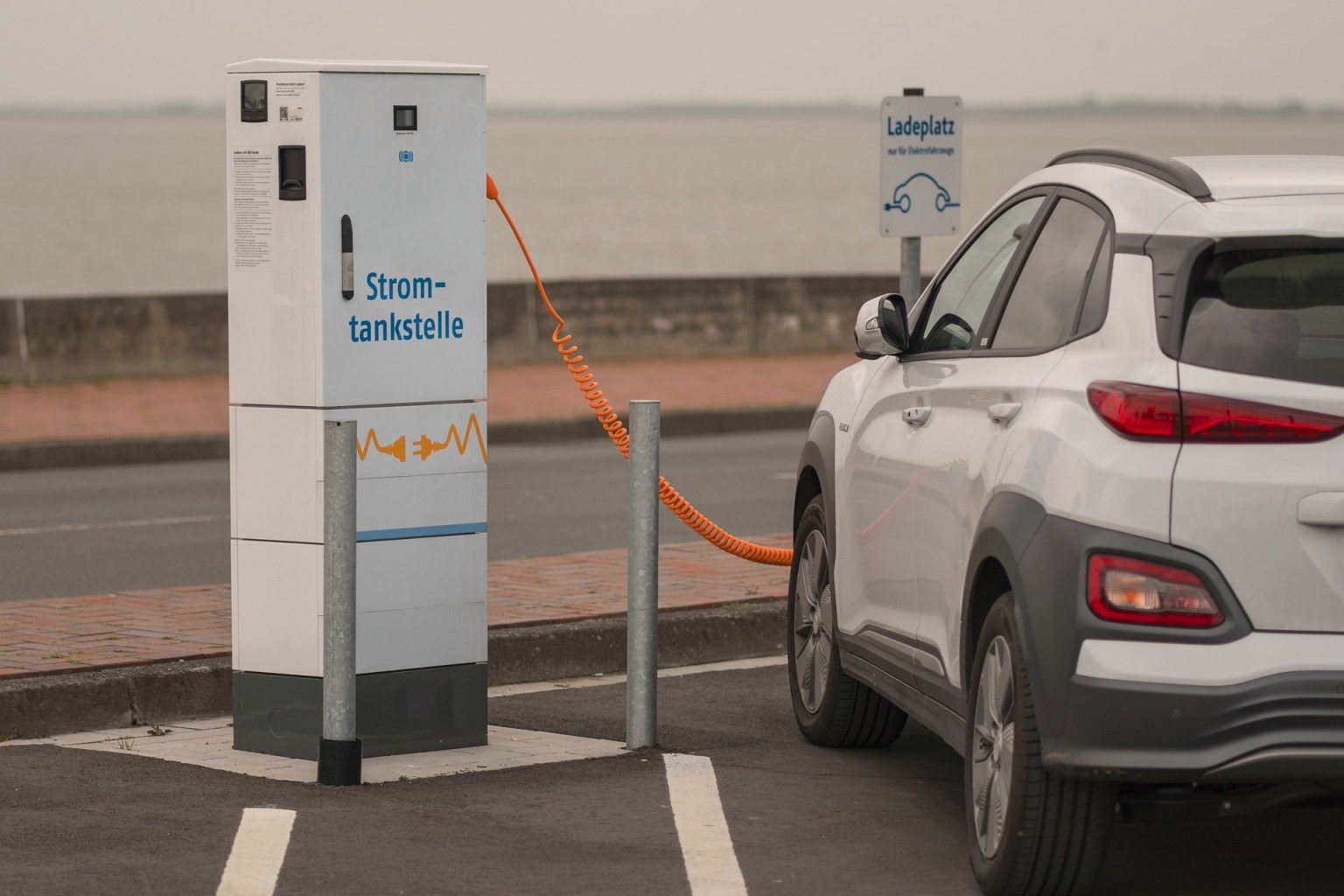
Eliminating
charging anxiety
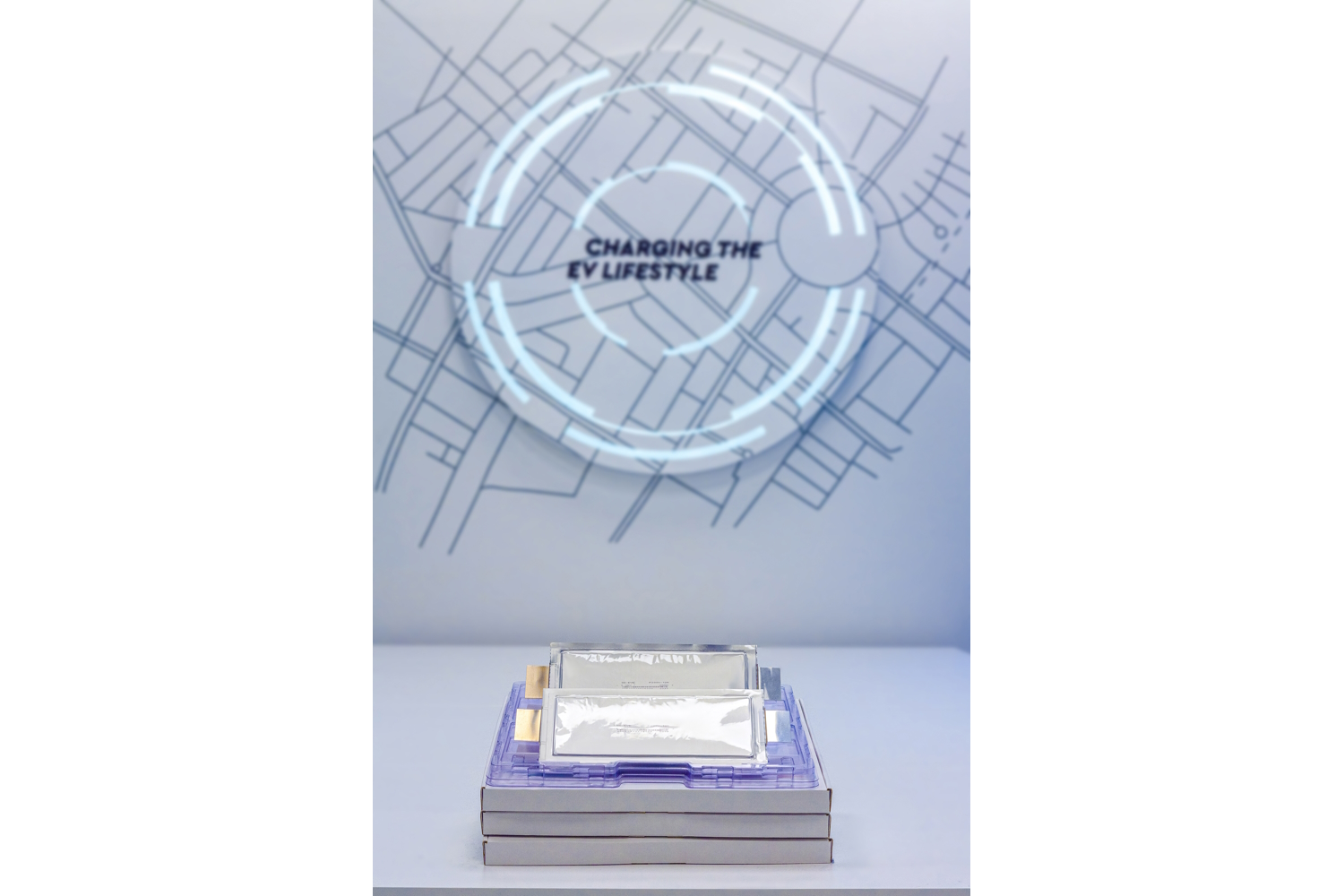
To become more competitive and meet consumer demand, EVs need longer ranges and shorter charging times. Most models fall short: the current fast-charging standard is 30–45 minutes for an 80% charge.
StoreDot's current technology supports 100 miles (160 km) per 5 minutes of charging — and we're working to reduce that to 3 minutes within a few years.
Extreme fast charging
silicon battery
Charged in 10 min
2× faster than premium fast-charging models
2,000 XFC cycles
No degradation due to fast charging
>330 Wh/kg
Energy density with roadmap to >400 Wh/kg
Consistent rate
Reliable charging regardless of state of charge
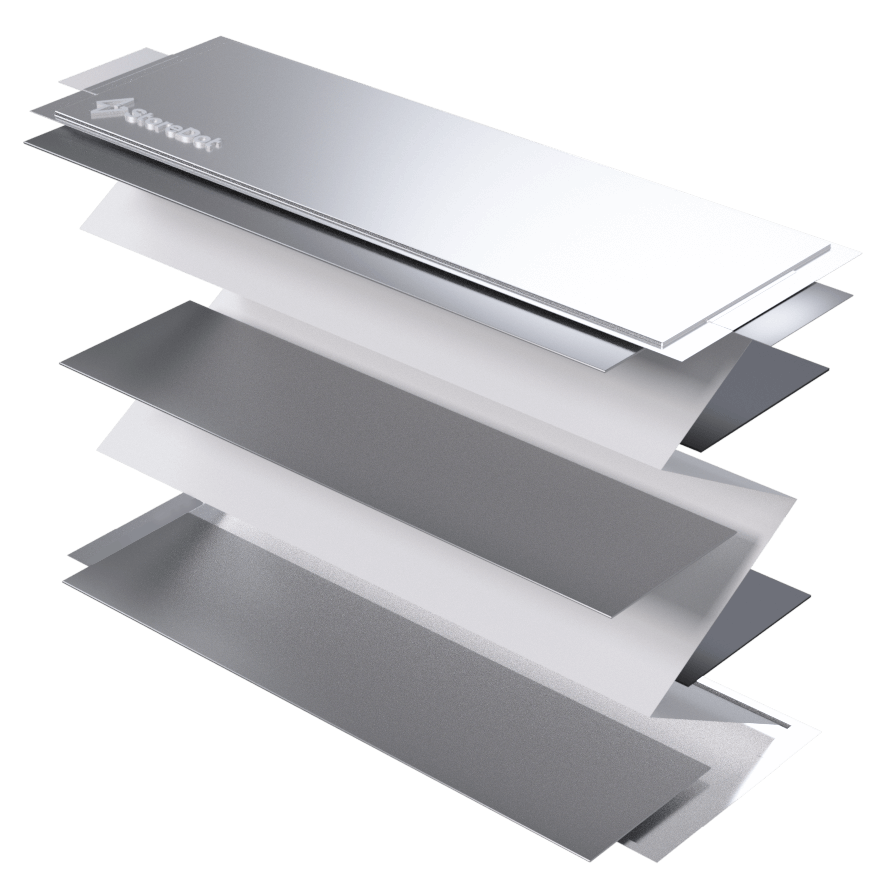
Multi-layered
cell protection
To secure EV battery safety and stability, our cell architecture features a multi-layered safety-protection structure. It runs on patented bio-inspired nanomaterials designed for longevity, with near-zero carbon — improved battery safety and increased cycle life.
Extreme fast
charging trends
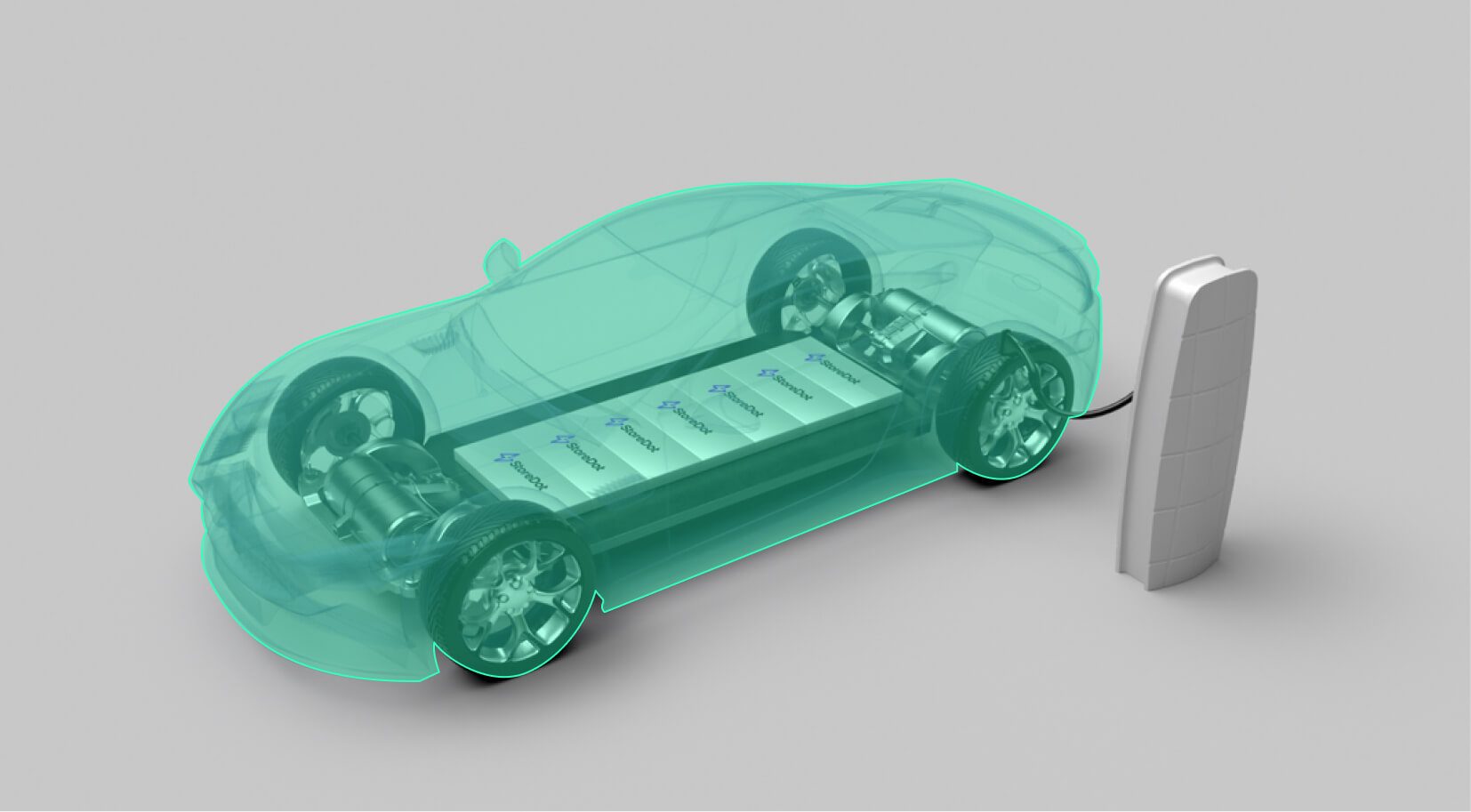
25–30% higher volumetric density
An improved battery chemistry is essential for longer range and even faster charging times — with improved, flexible packaging configuration.
High-power charging expanded
Charging infrastructure needs to be expanded and upgraded to allow faster charging and greater accessibility for the growing number of EV owners.
Lighter packs, efficient powertrains
Overall vehicle weight should be optimized to increase powertrain efficiency. A lighter battery pack is closely related to weight, efficiency and maximal range.
StoreDot's 100inX
solution roadmap
Pouch ~550×110×9 mm — 790 Wh/l (320 Wh/kg)
Prismatic ~300×90×25 mm — 750 Wh/l (295 Wh/kg)
4695 cylindrical — 835 Wh/l (285 Wh/kg)
Sustainable production approach · cobalt content reduction
Semi-solid, dry approach
*100inX = 100 miles (160 km) charged in X minutes; chemistry is compatible with all cell form factors.
**Energy density figures represent net value — J/R electrodes, separator and electrolyte only.
Optimizing pack-level
energy density
I-BEAM XFC™: shifting from cell-level chemistry to a holistic pack design.
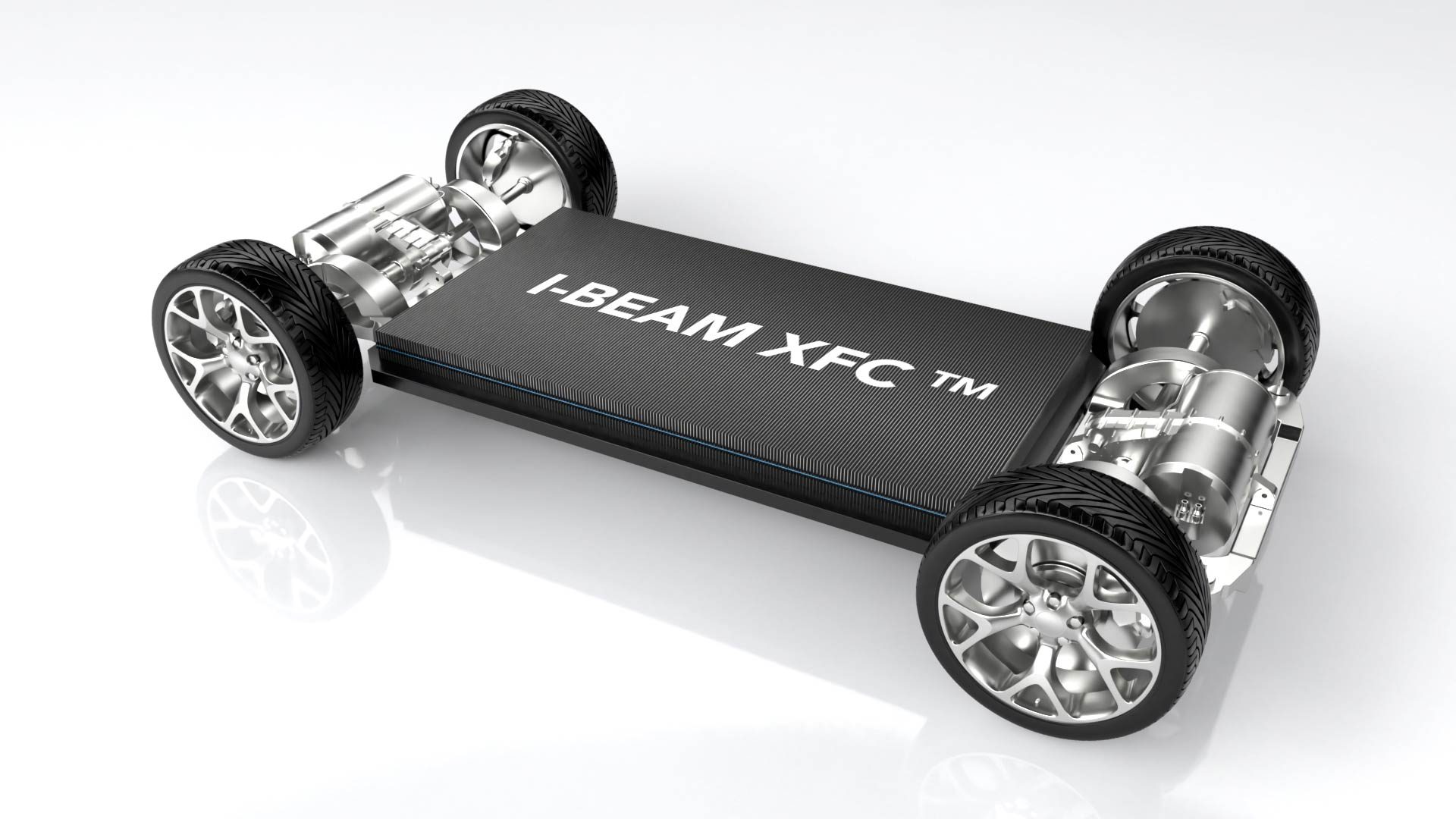
Our experience in fast charge and thermal optimization enables us to materialize the cell-to-pack concept based on the carmaker's requirements. Cell-to-pack connects individual cells directly into a larger pack; cell-to-chassis mounts the cells onto a structural chassis that also serves as a heat sink and a support structure.
Cells are tightly packed and secured within a protective casing, reducing the risk of damage from vibration, impact or thermal expansion. StoreDot's I-BEAM XFC™ configuration also simplifies manufacturing, minimizes part count and reduces the weight and volume of the battery pack.
Download white paper
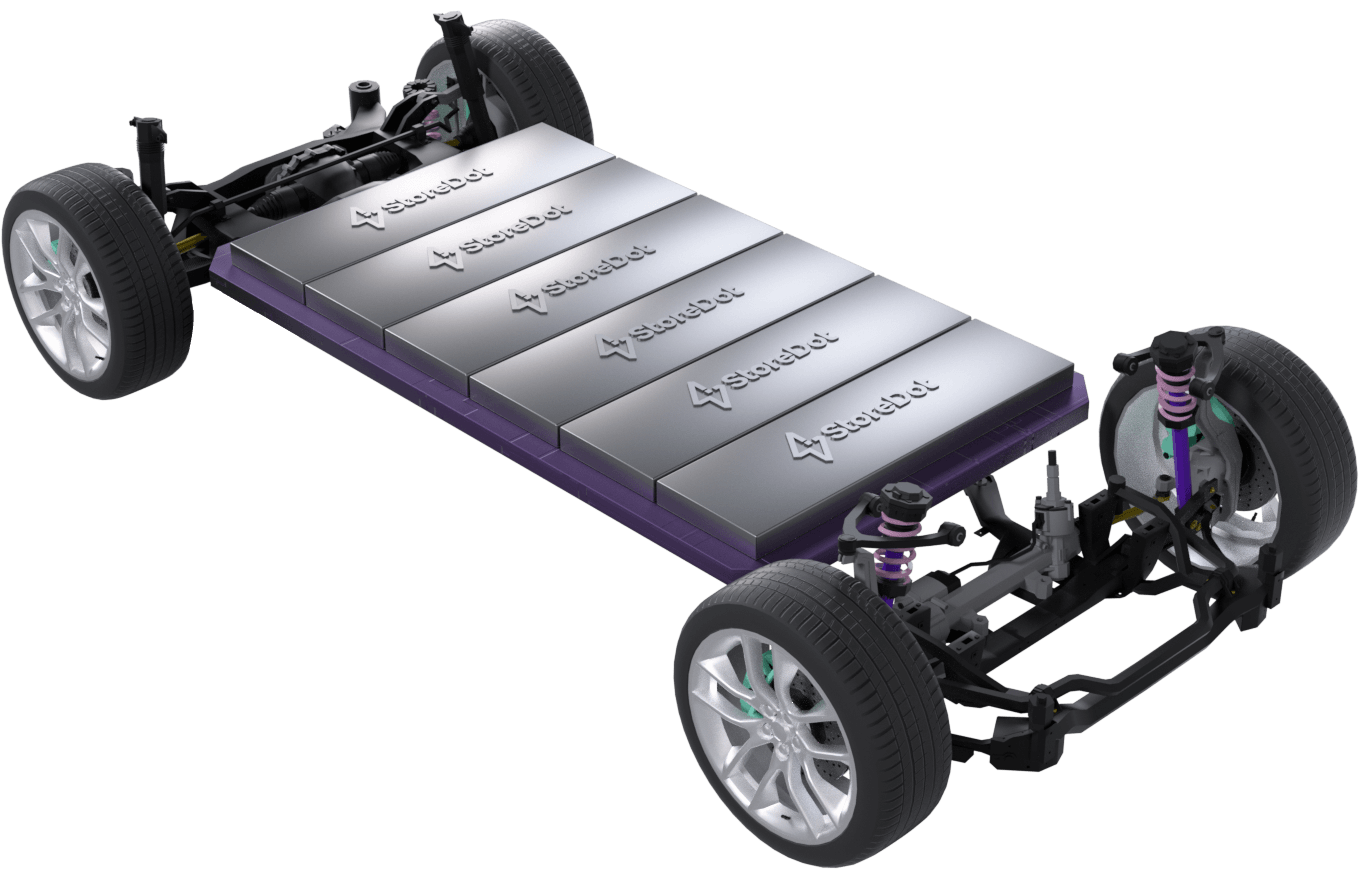 I-BEAM XFC™ chassis
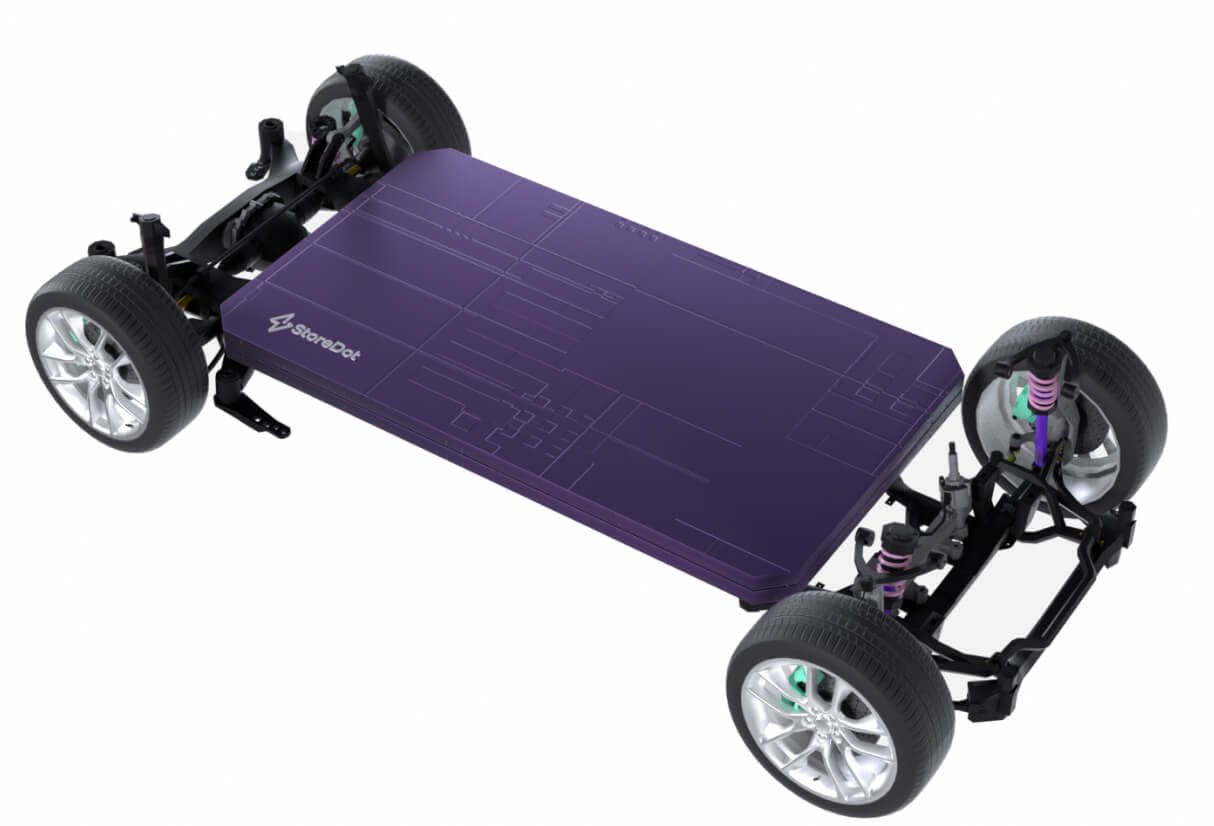 Pack
Pack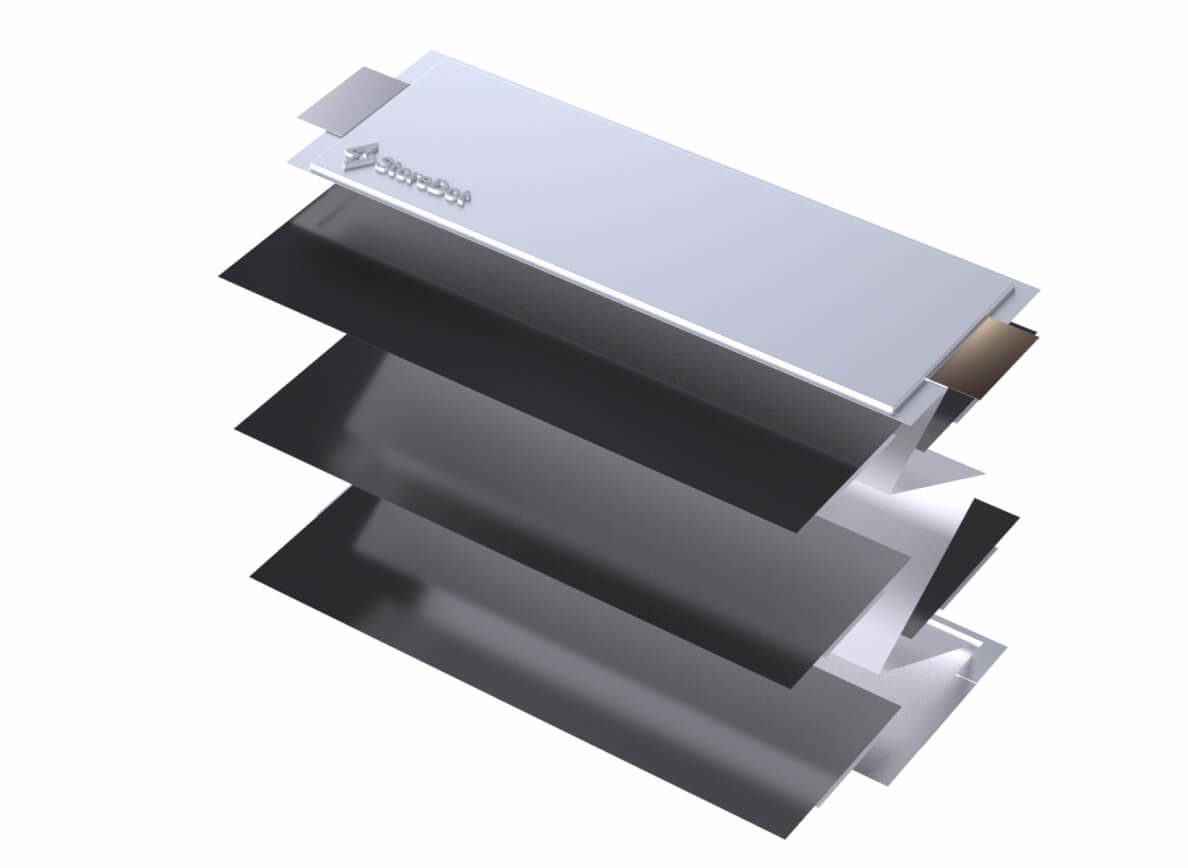 Layers
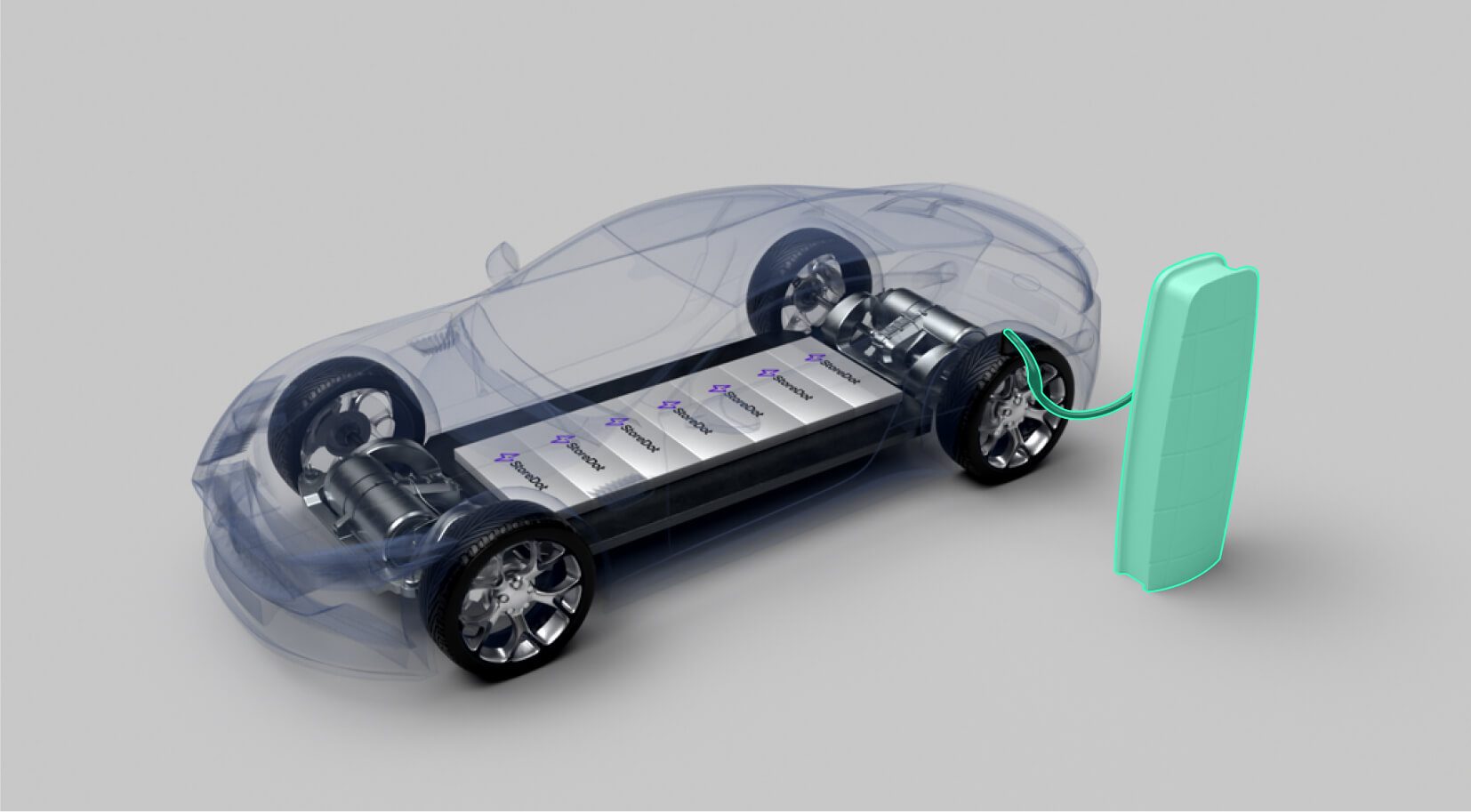 Cell-to-chassis
 Integration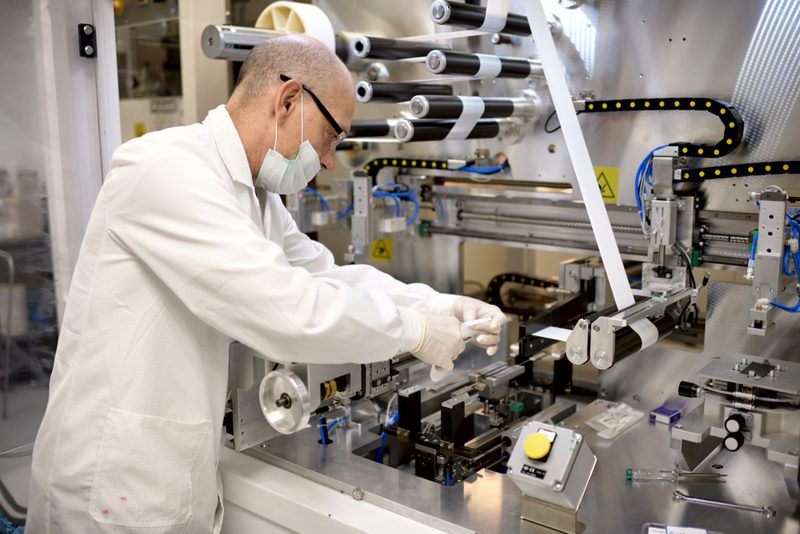
Manufacturing readiness
To expedite EV adoption worldwide, our scalable technology offers ultimate, seamless compatibility with existing battery technologies and manufacturing lines — demonstrated in series production at five factories worldwide.
Gear upBattery packaging flexibility
Having the right chemistry alone is not sufficient. The battery has to be adaptable to the vision and configuration each carmaker is pursuing.
Scale-up & manufacturing (PDF)Test it yourself
Sample programs for OEMs and cell makers begin with a technical brief.
Request samples